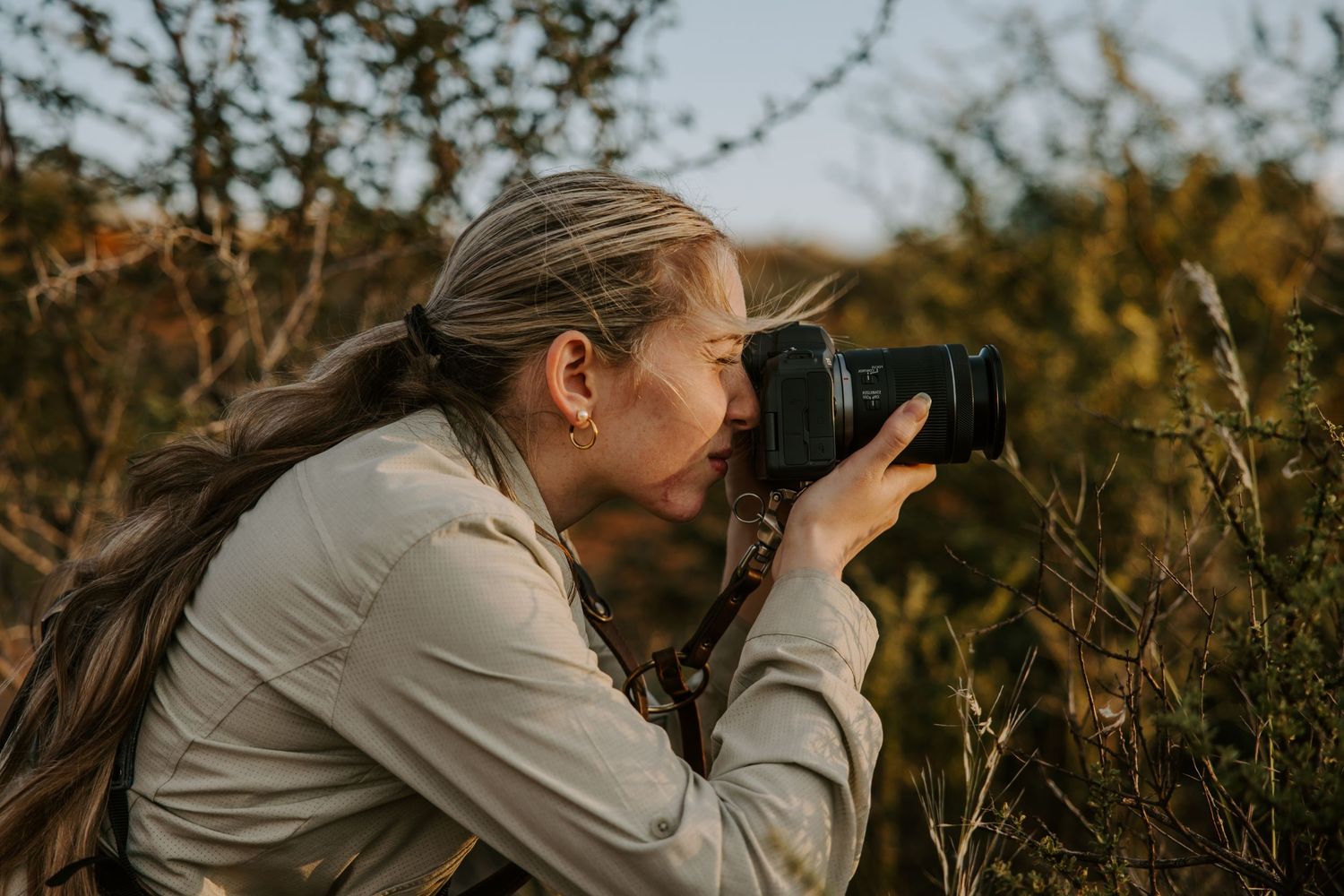
Explore my fine art work
Fine art Exhibition: Away, Yet Within
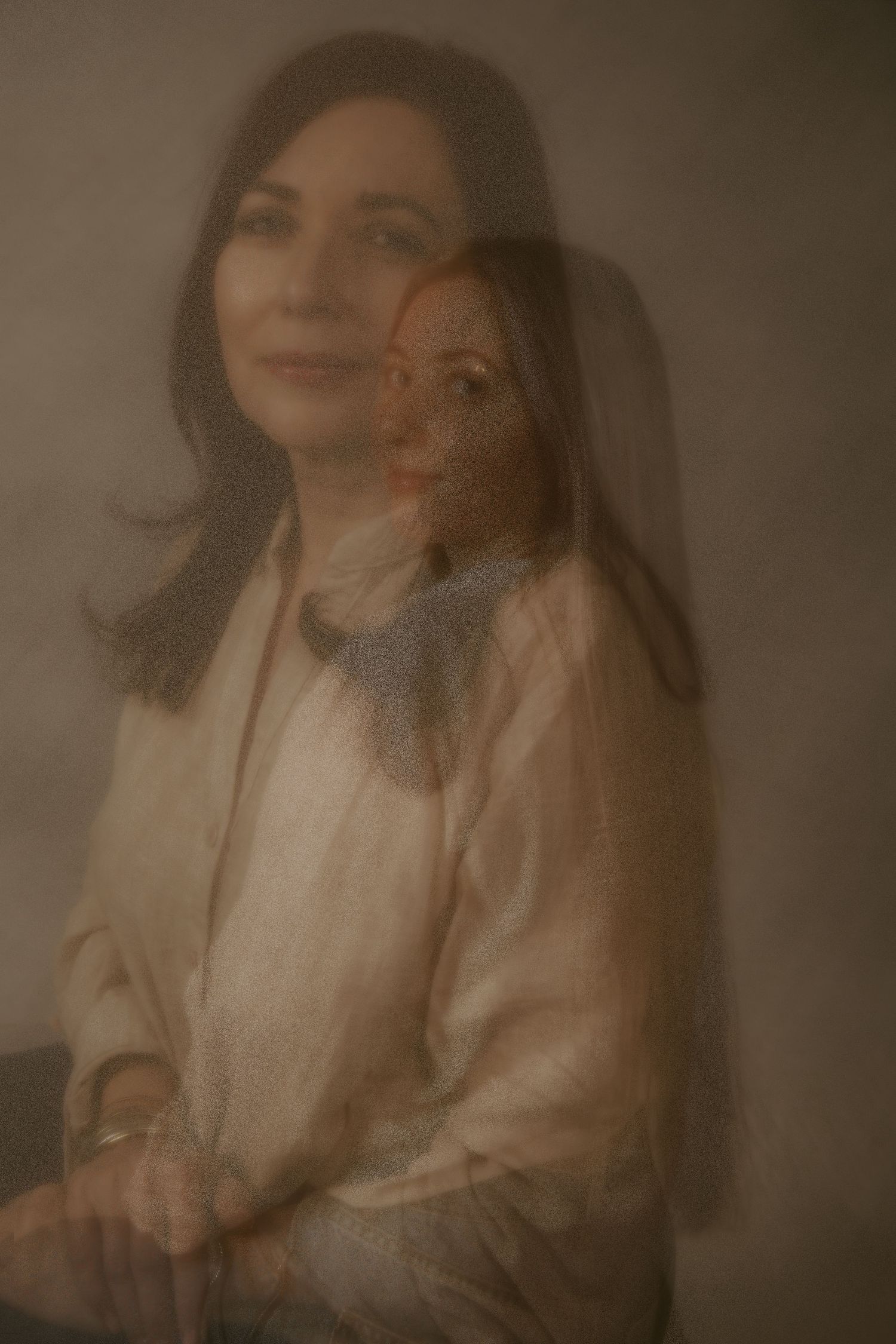
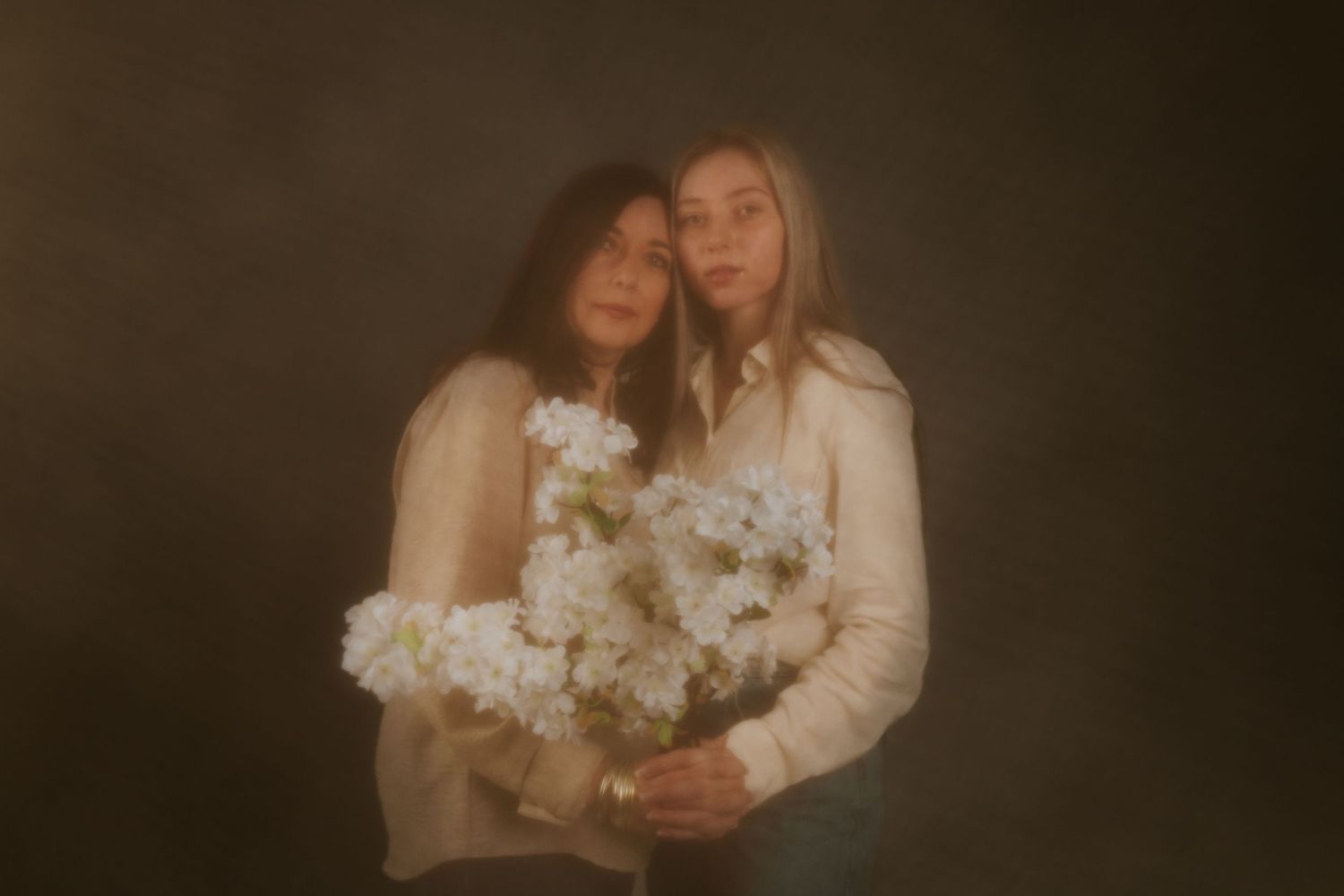
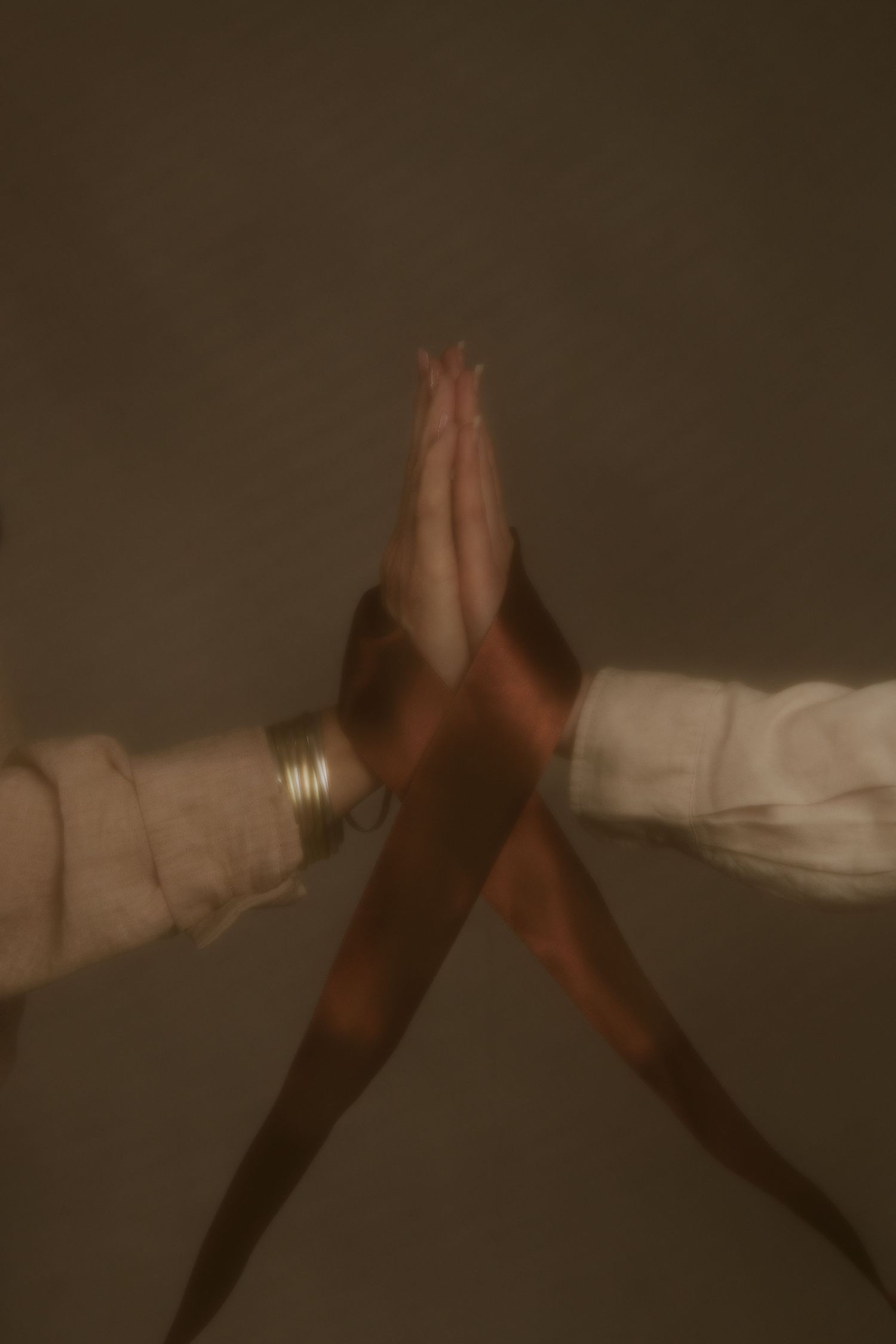
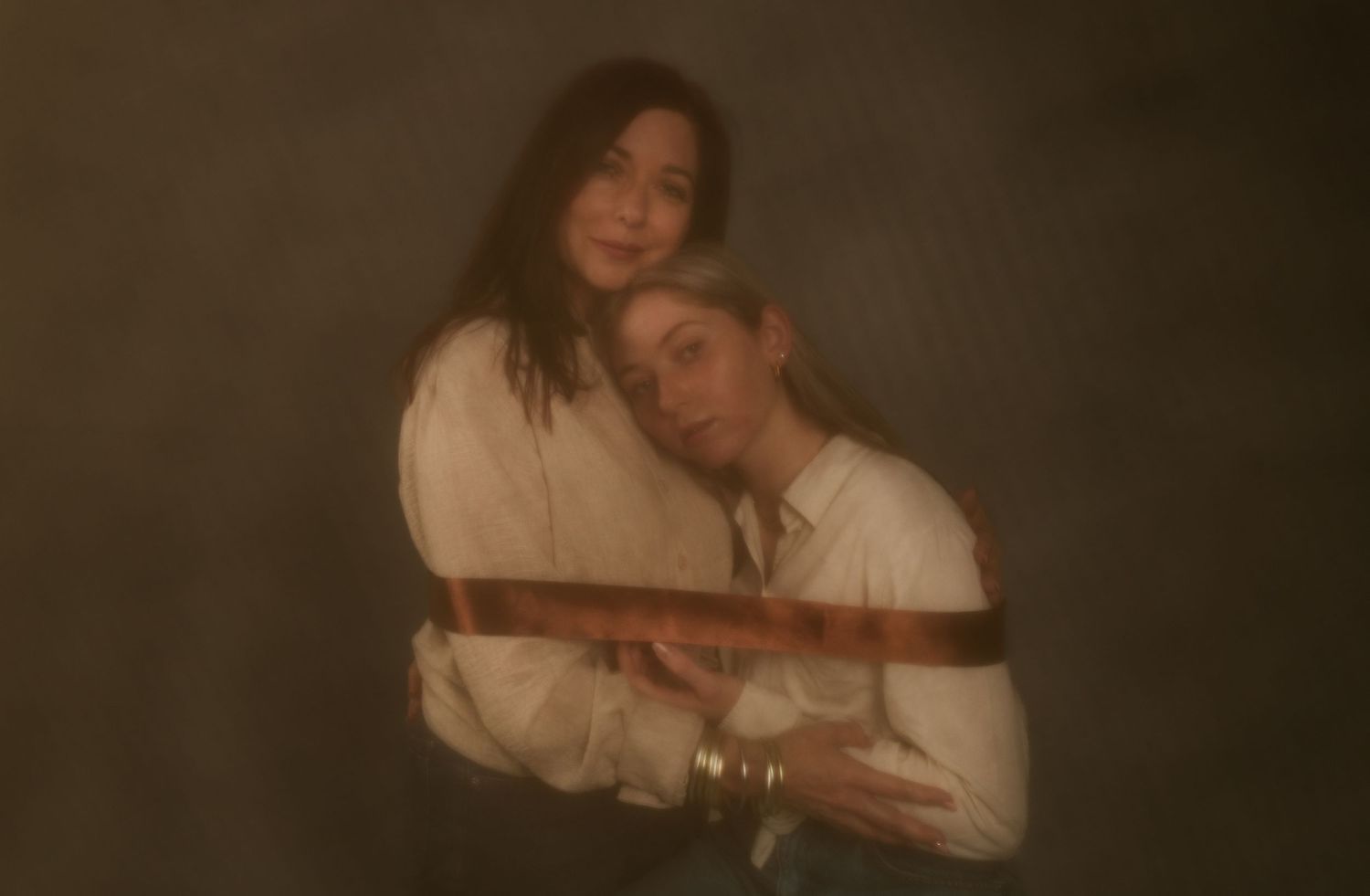
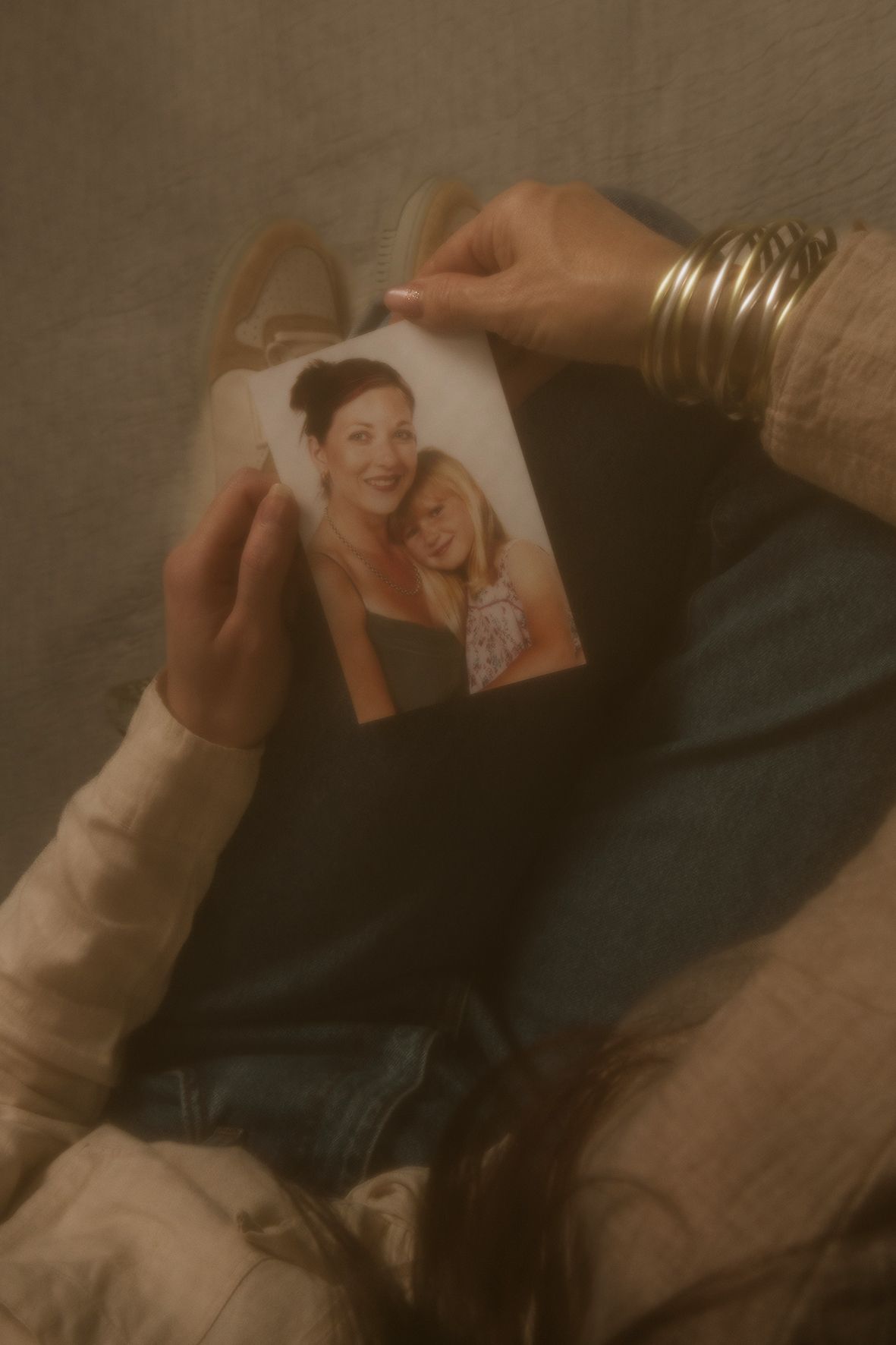
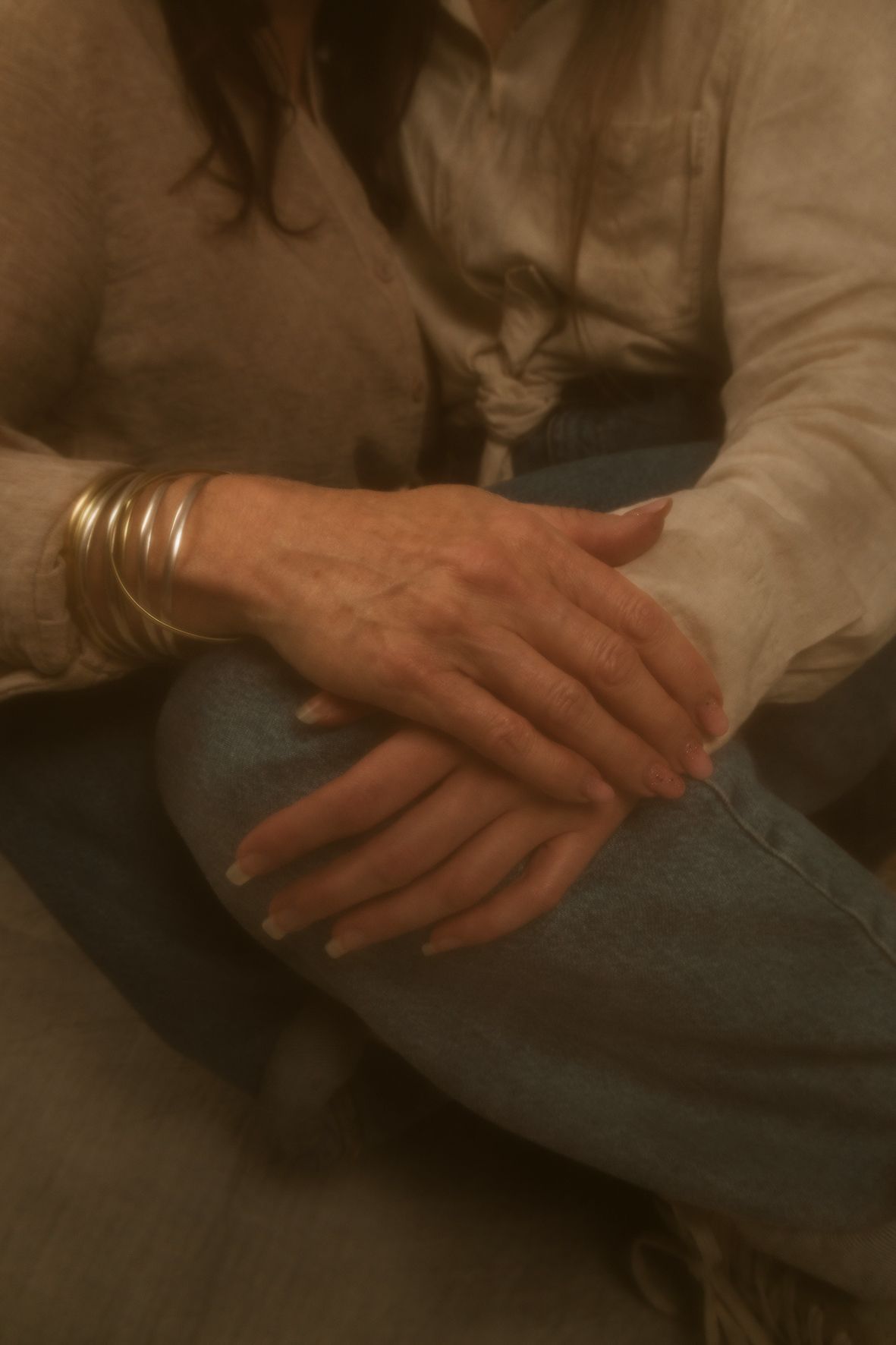
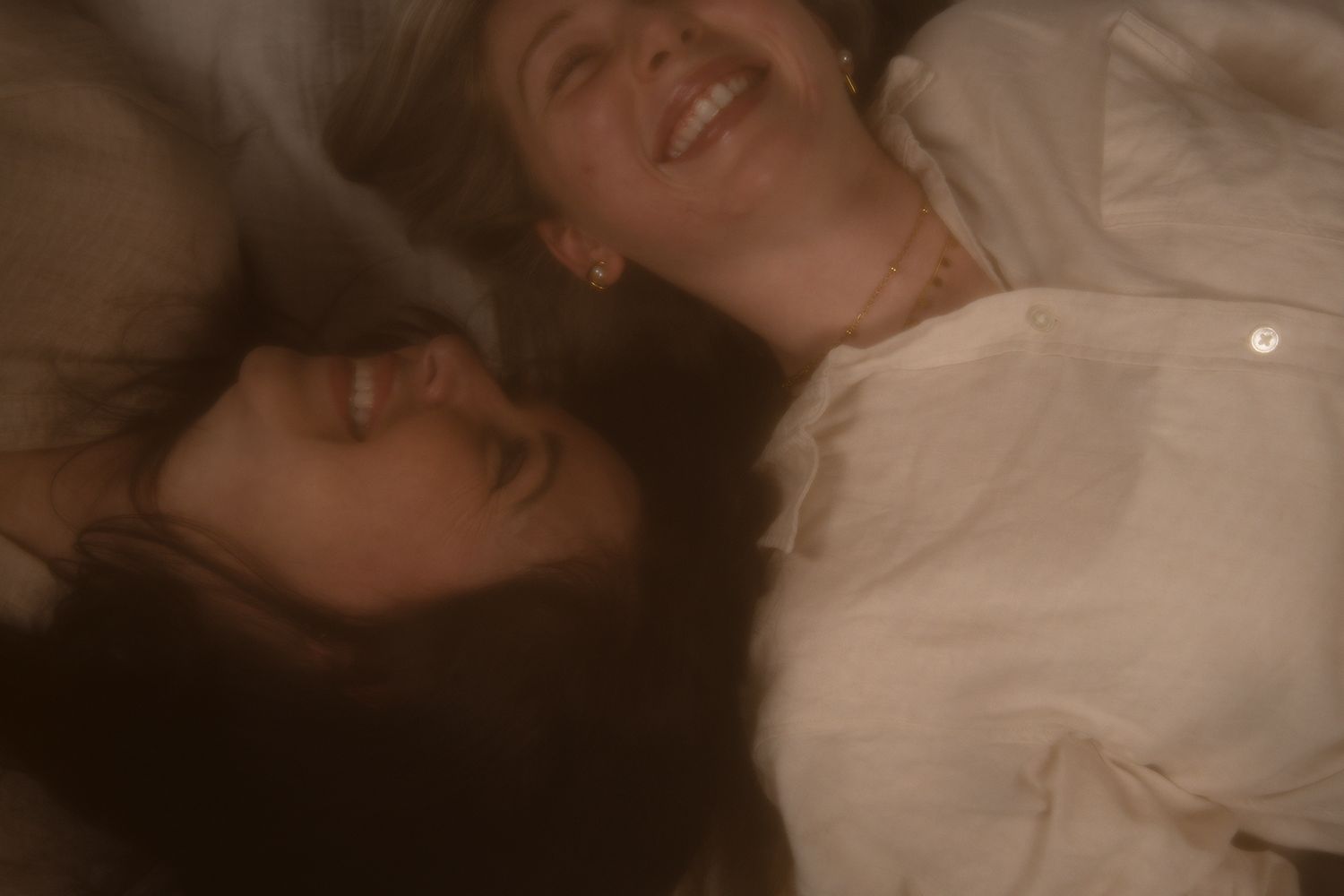
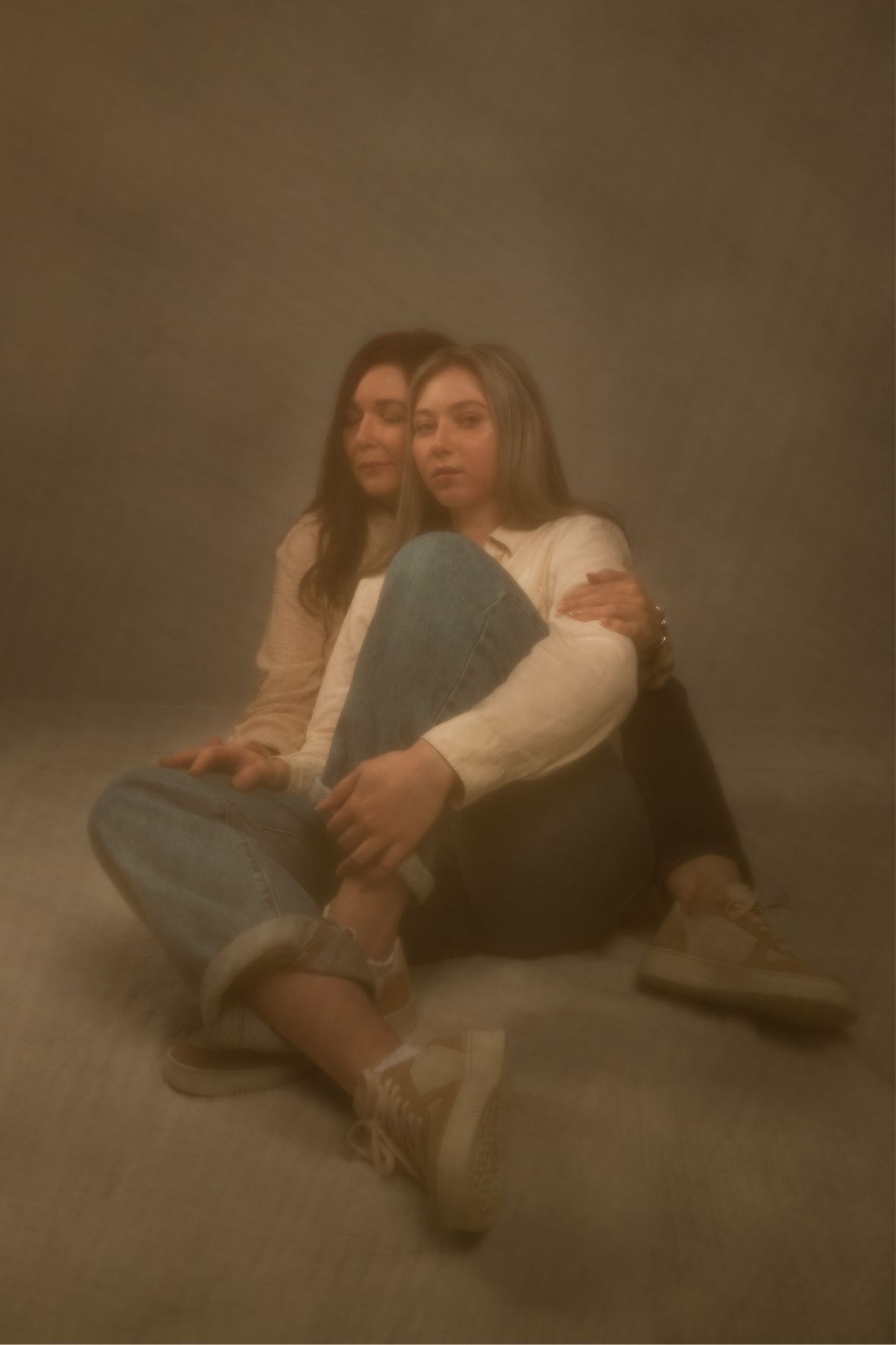
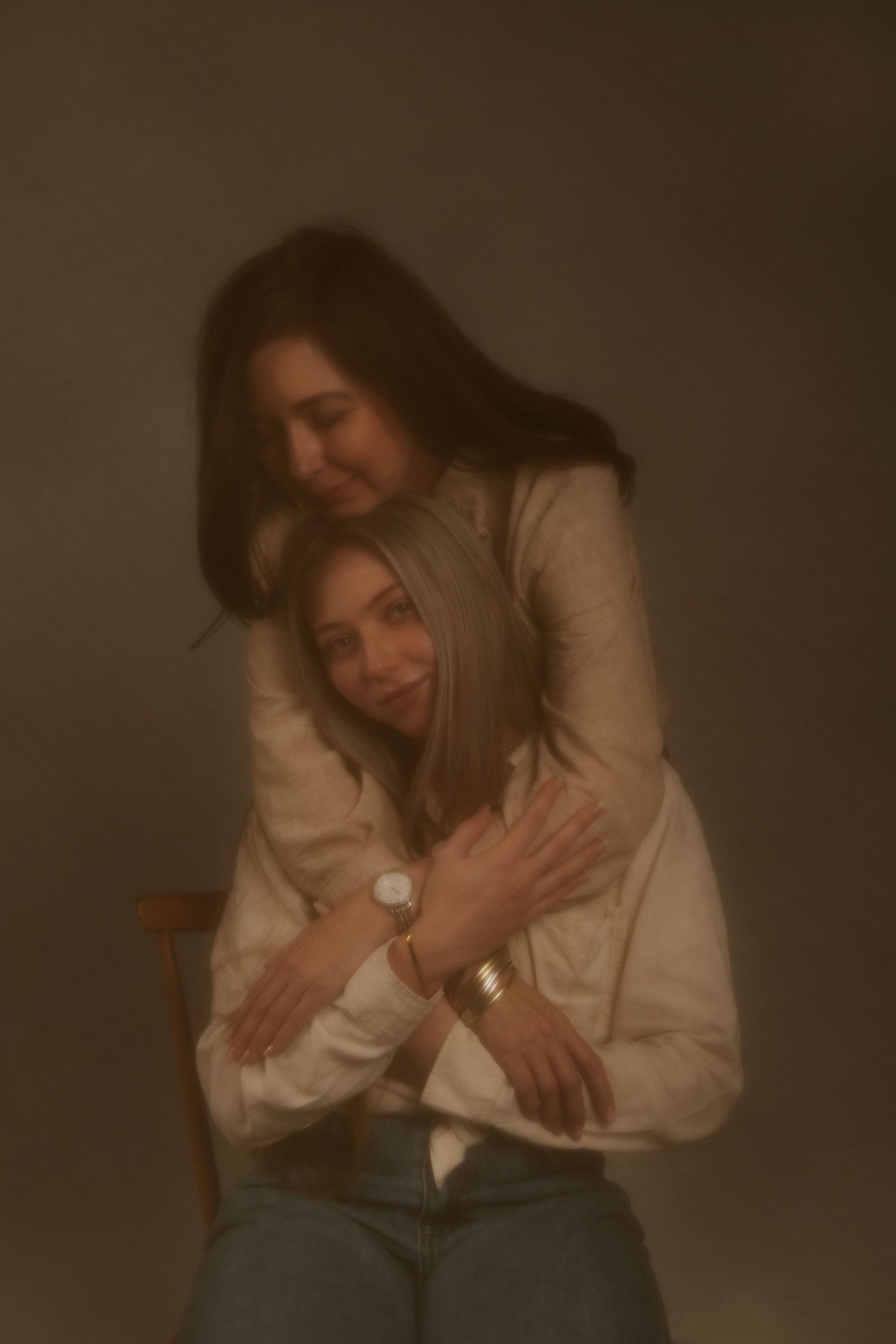
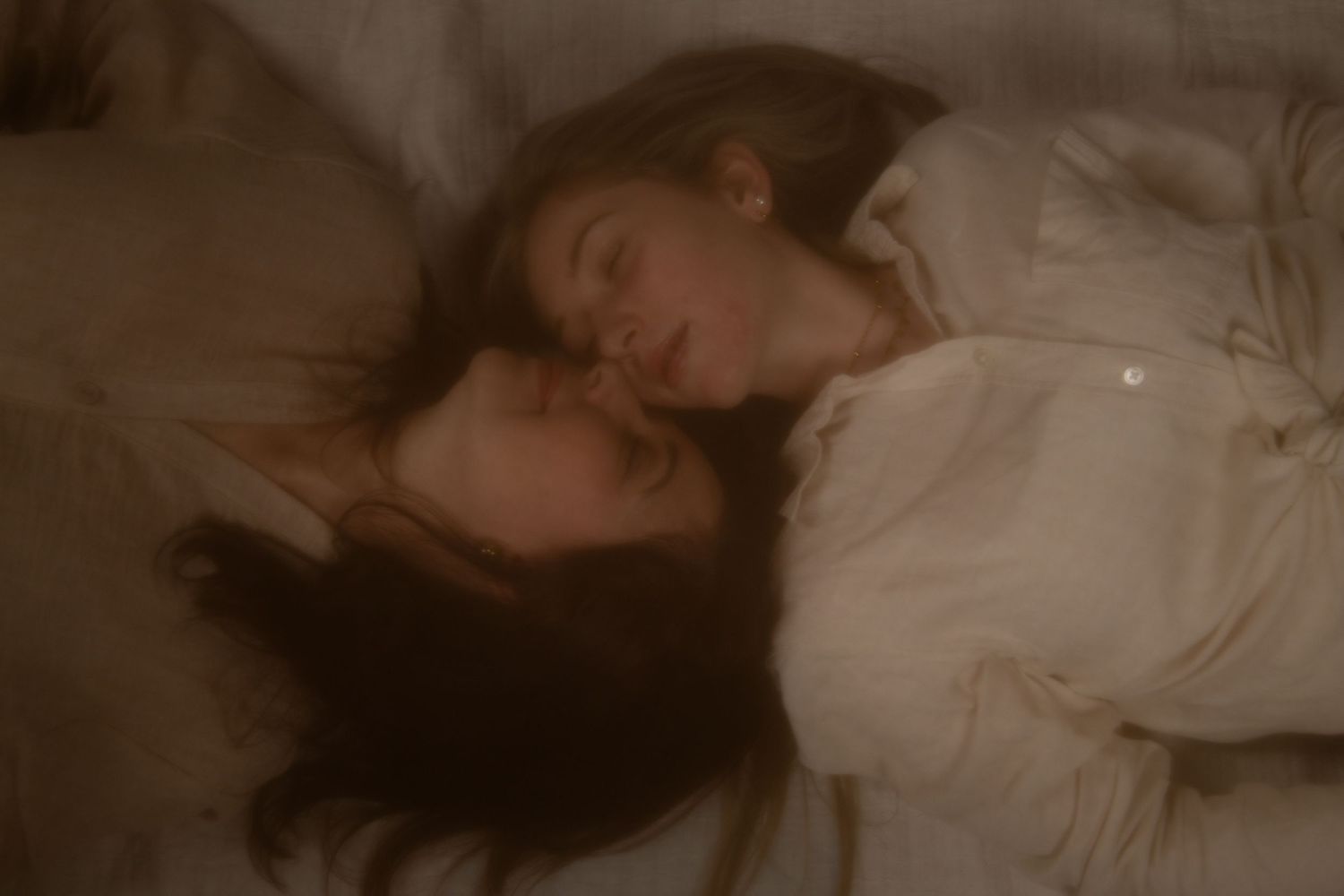
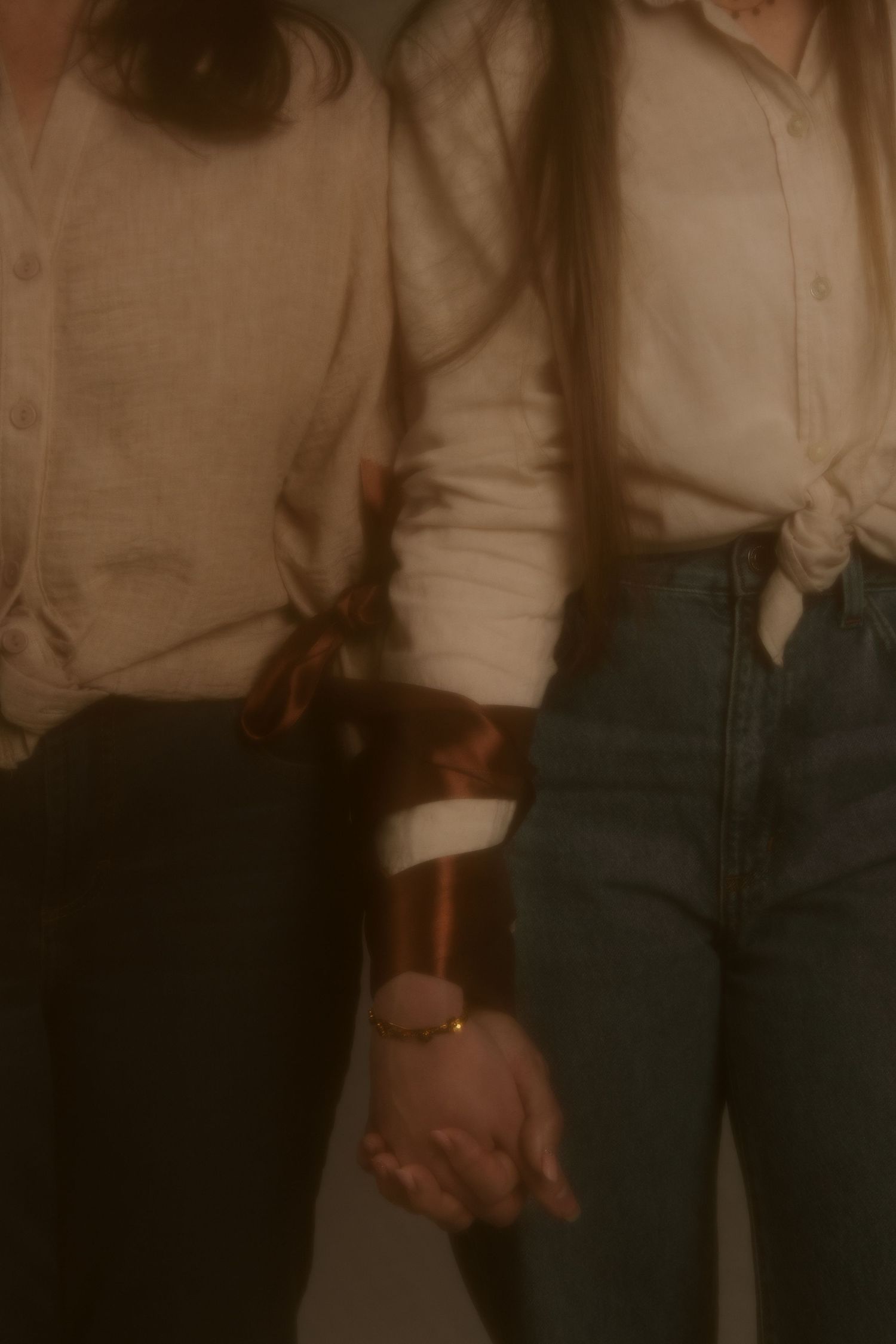
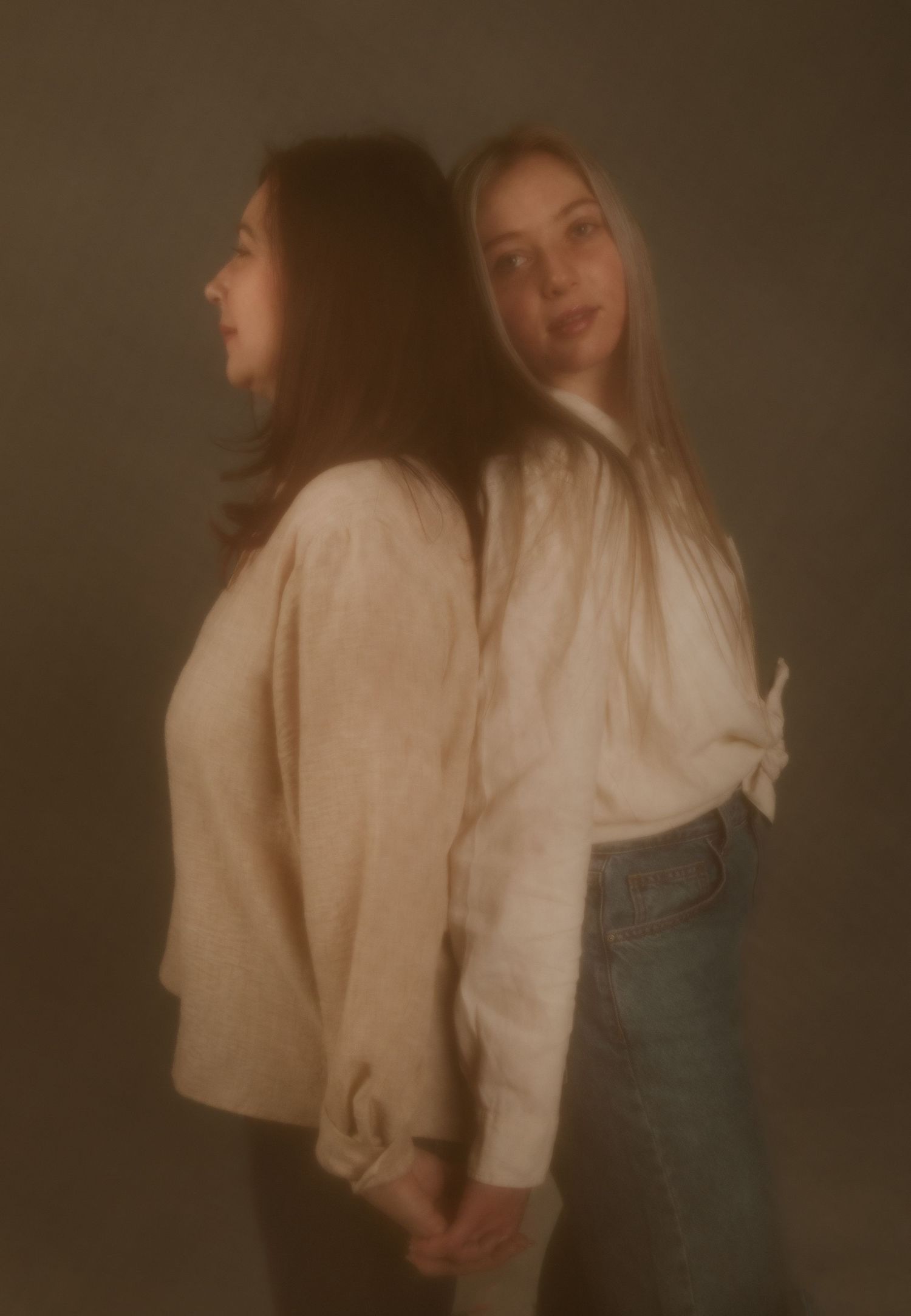
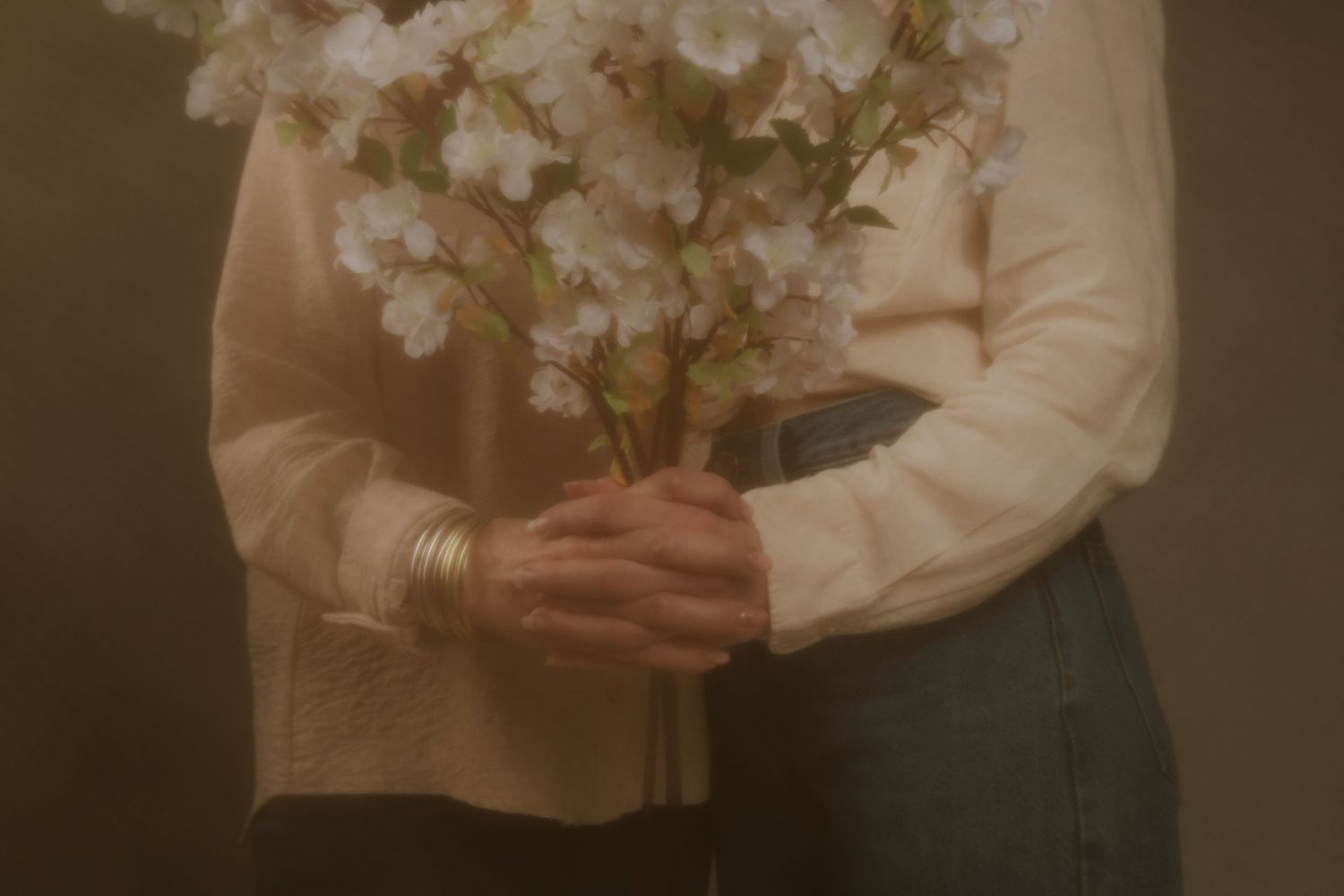
The following project was my first fine art exhibition in my third year. Away, Yet Within explores the afterlife of printed memories, photographs that once held deep significance, now tucked away and often forgotten. By revisiting childhood images of my mother and me, I recreated these moments not to relive the past, but to re-honour it.
Through cyanotypes, lino printing, and an installation using hand moulds, I aimed to make memory tangible again, something that could be held, cherished, and reactivated. The work reflects on legacy, motherhood, and how memory continues to shape identity. It invites viewers to reflect on their own personal histories and what might still be worth holding onto.
Artist Book 2025
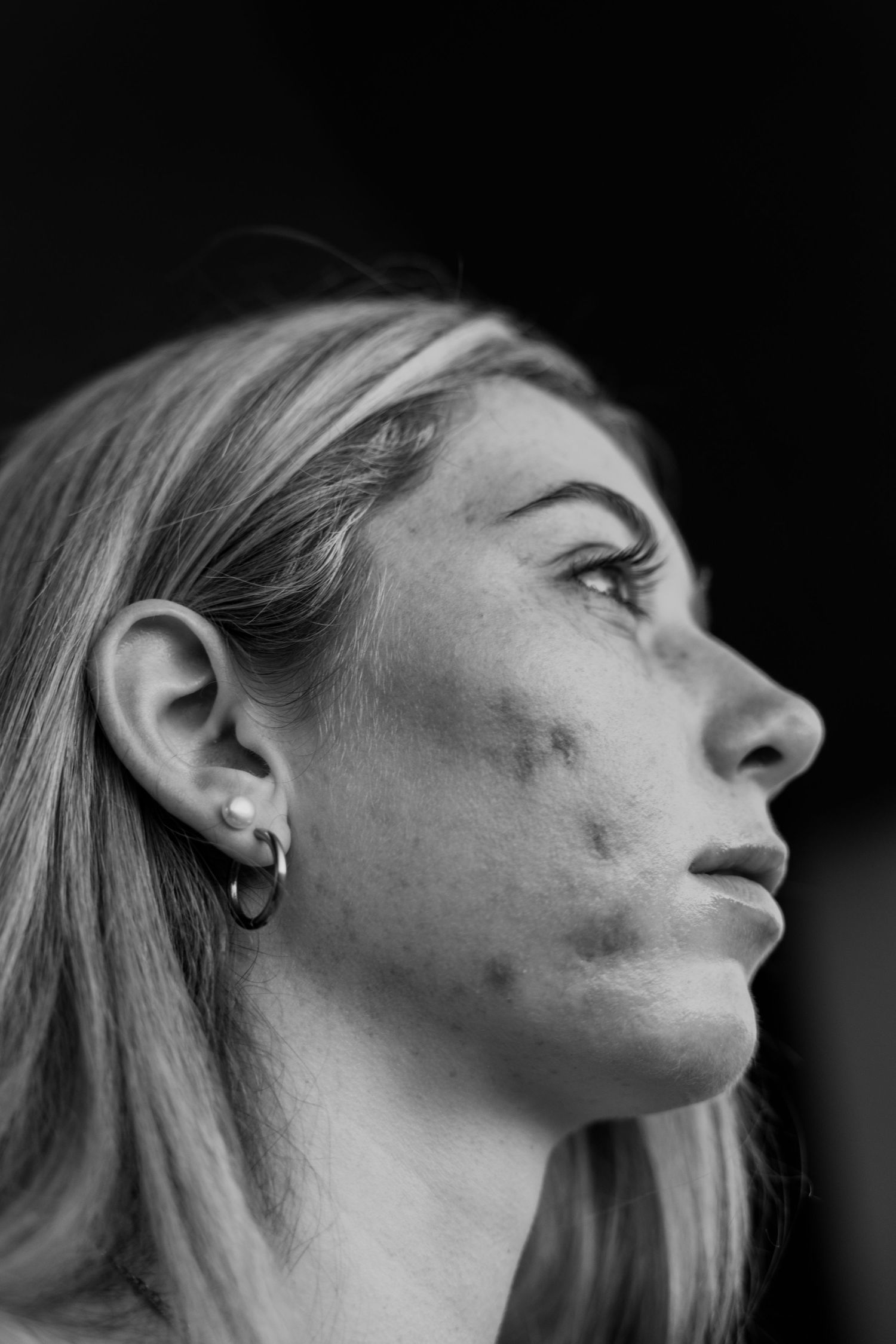
My acne journey began in February 2024. In May, I started a series of treatments and medication, from cortisone injections to Roaccutane, trying to gain some control over what was happening to my skin. I asked my dad if we could visit the Kalahari during my June–July holiday because I desperately needed a break. I thought that escaping to the Kalahari would bring me peace, maybe even help my skin. But the opposite happened. My cystic acne was worse than ever. Inflamed. Throbbing. Red. A painful kind of dry. I was so insecure that I would wear a jacket, zip it up, and hide my face whenever we had to get out or interact with people. Instead of a peaceful holiday, I felt more miserable than ever.
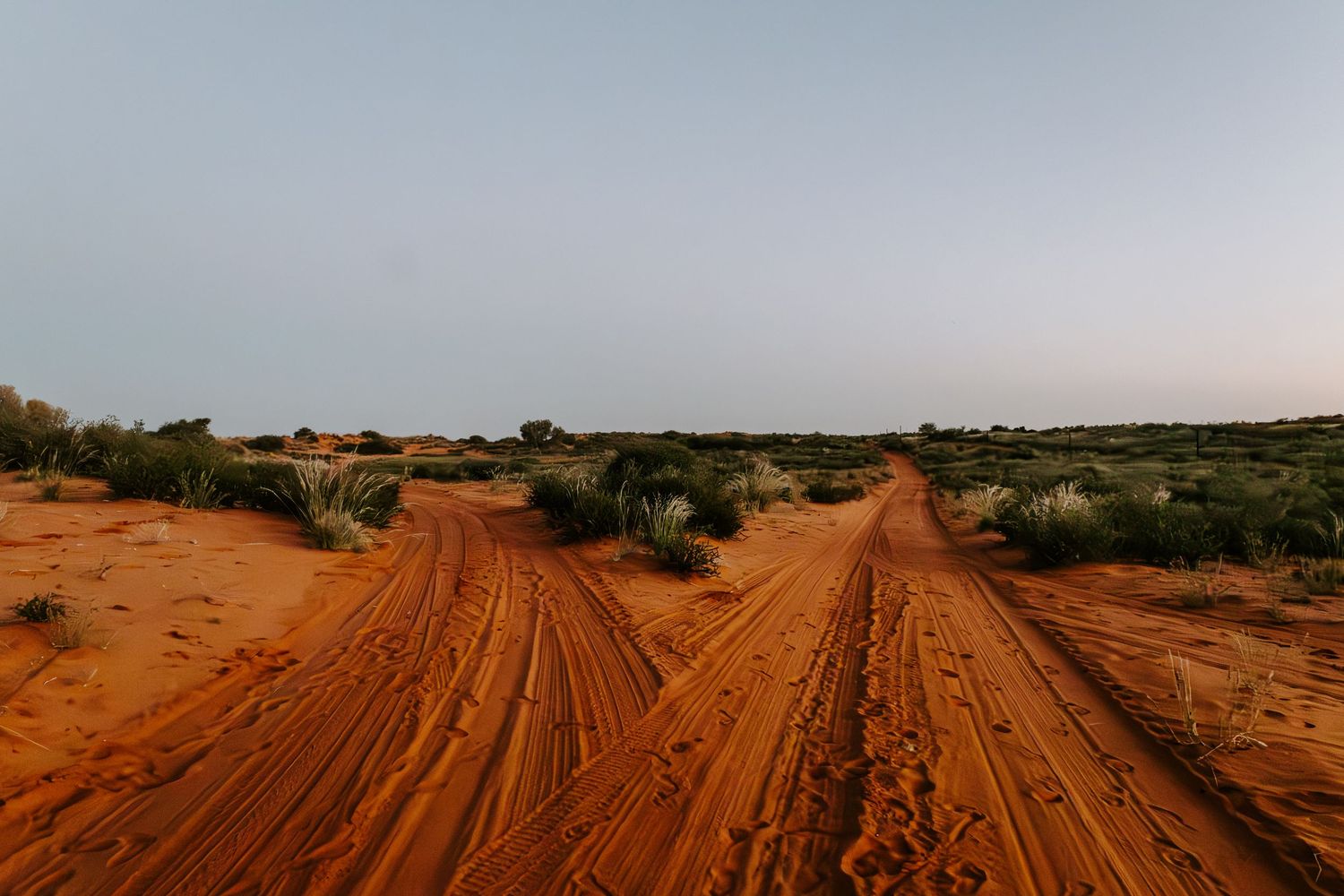
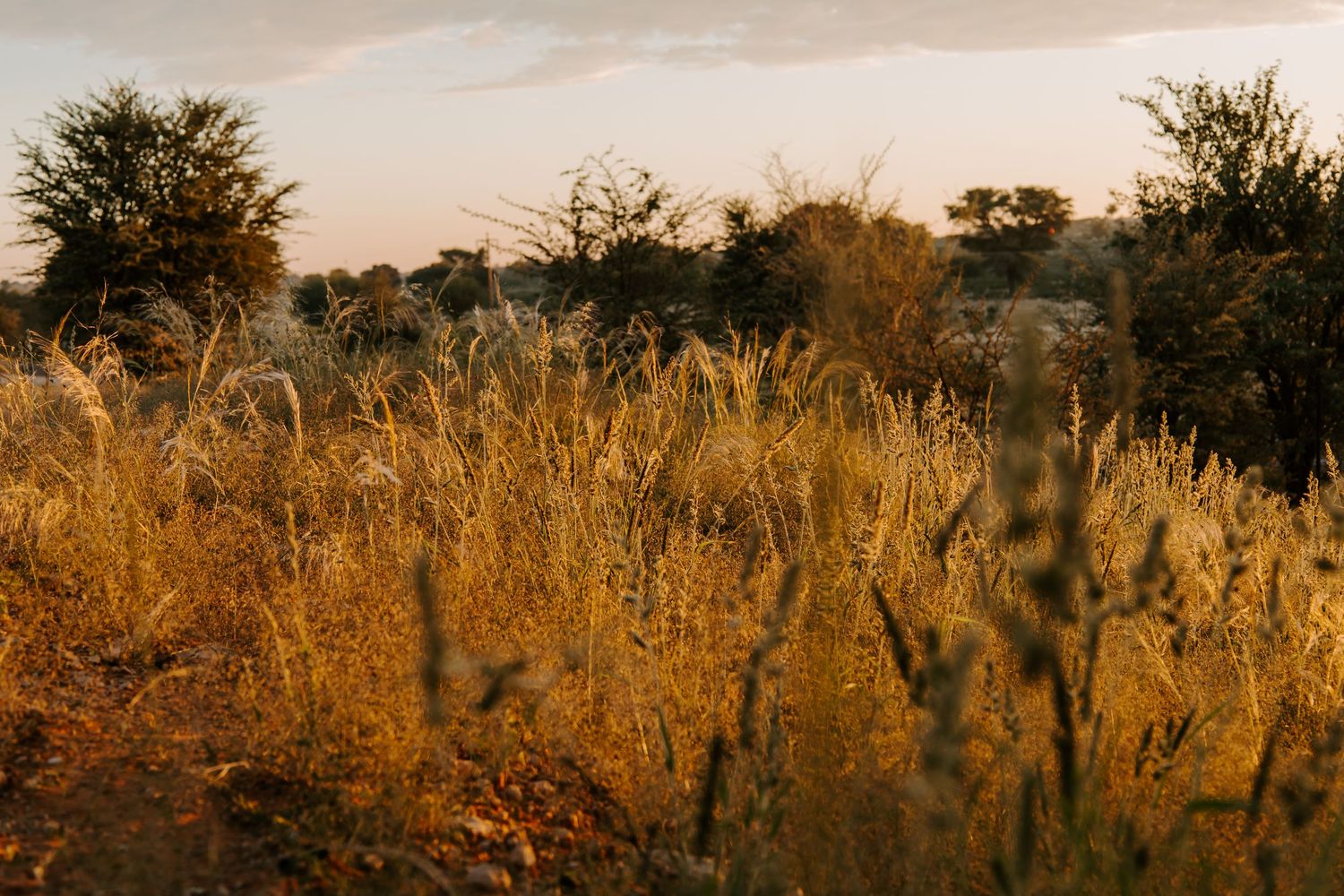
On our last day, my dad was taking a lekker middagslapie, and I couldn’t sleep. I went outside to sit in the built-in seating nook, soaking in the red dunes one last time before heading home. It was so quiet, the wind brushing against my face. But even that wind felt like sandpaper on my skin. Every breath hurt. I remember the tears rolling uncontrollably. I looked up at the sky and just felt tired. Tired of pretending. Tired of trying to stay positive. And I prayed: “God, if I’m not going to get better, then I don’t think this is the life I want anymore. What’s the point of all of this if I have to live like this forever?” It wasn’t just a low point physically; it marked a turning point emotionally and spiritually. That day, the Kalahari became a sacred space. A mirror. A metaphor. A meeting point. The Kalahari wasn’t merely a place I passed through or observed, but a space where I felt deeply. It was a landscape that mirrored my inner world. What we go through isn’t only stored in our minds. The body remembers, carrying traces of pain and waiting.
My acne became more than a skin condition, it was something I carried with me, quietly shaping how I moved through the world.
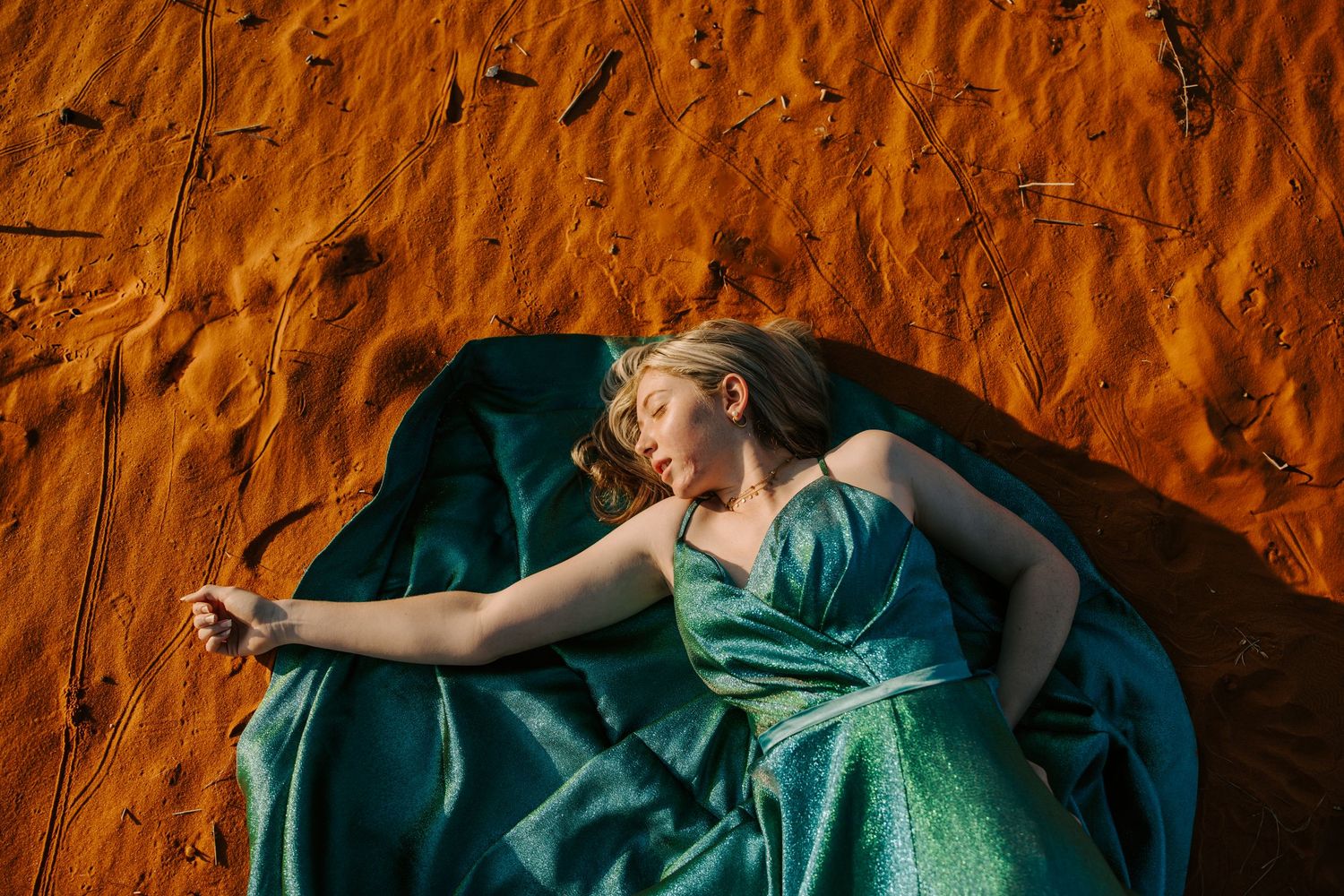
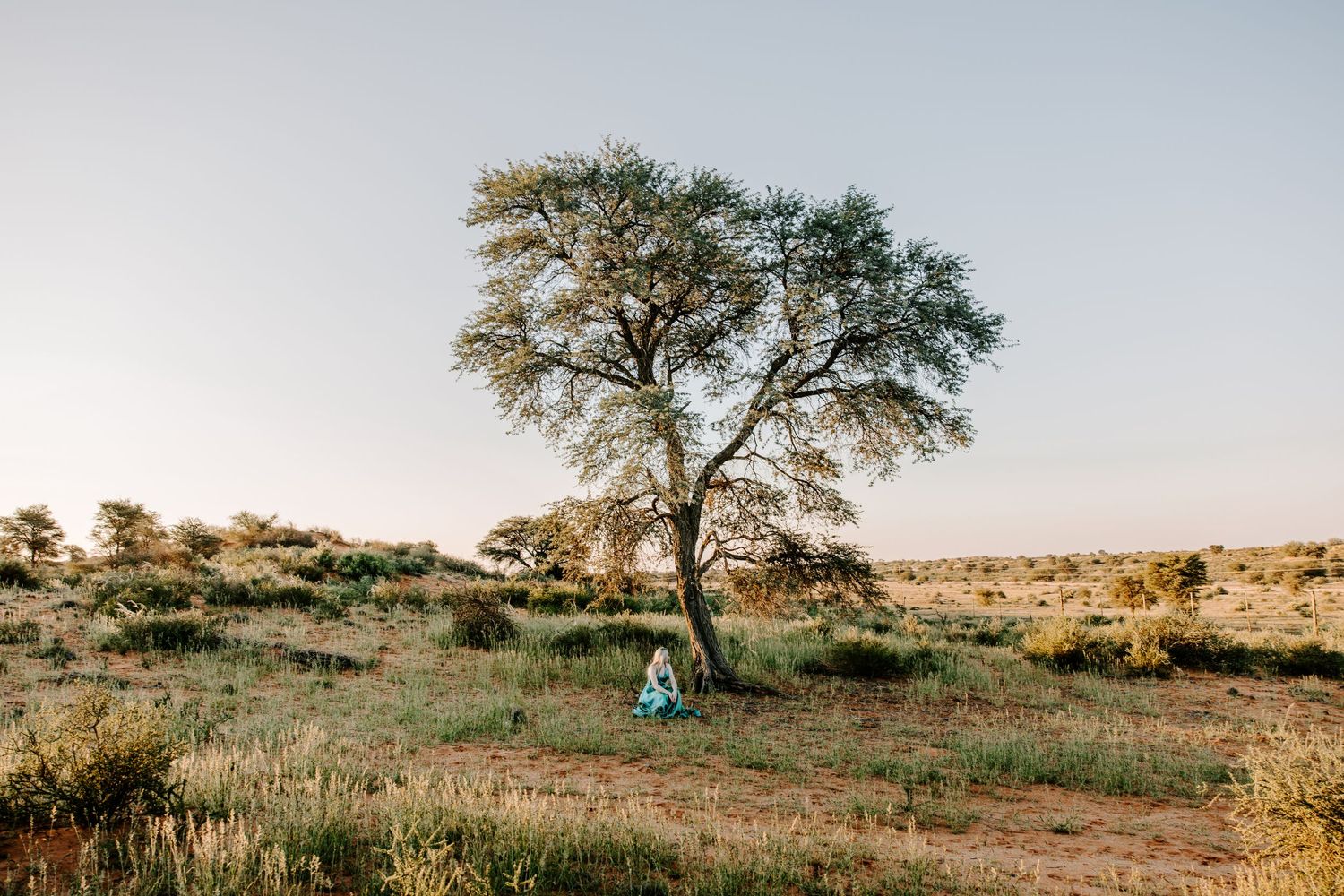
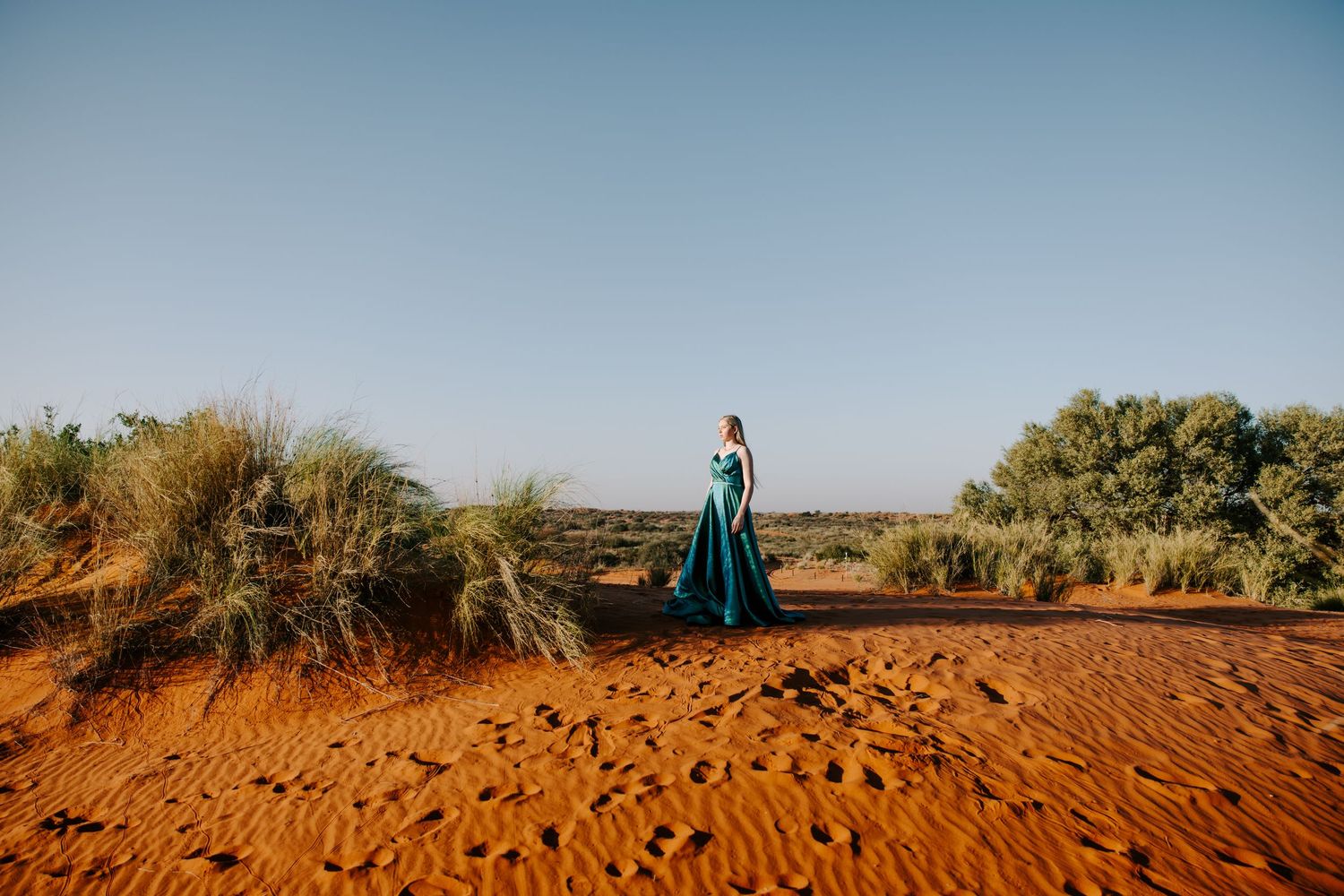
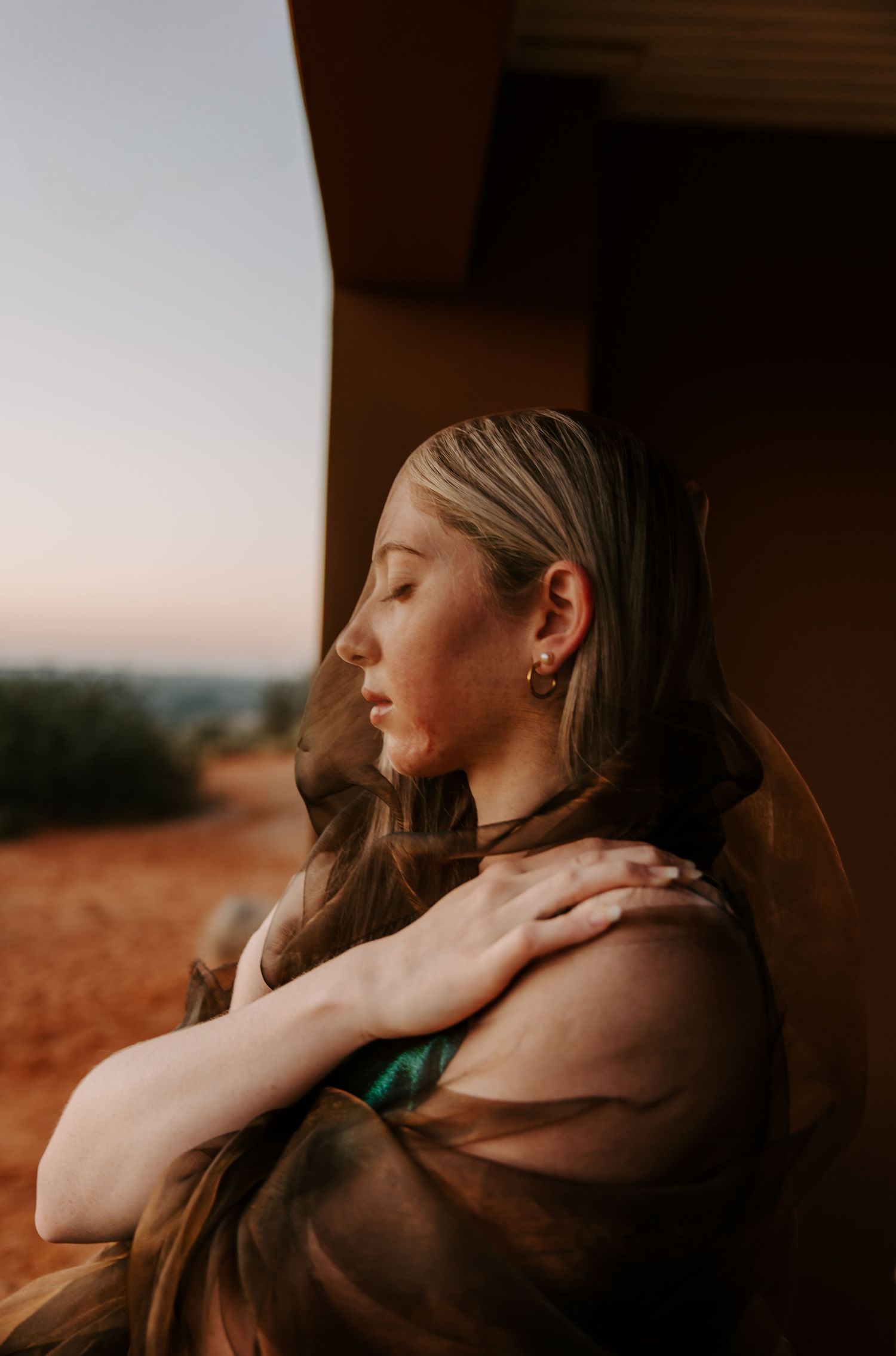
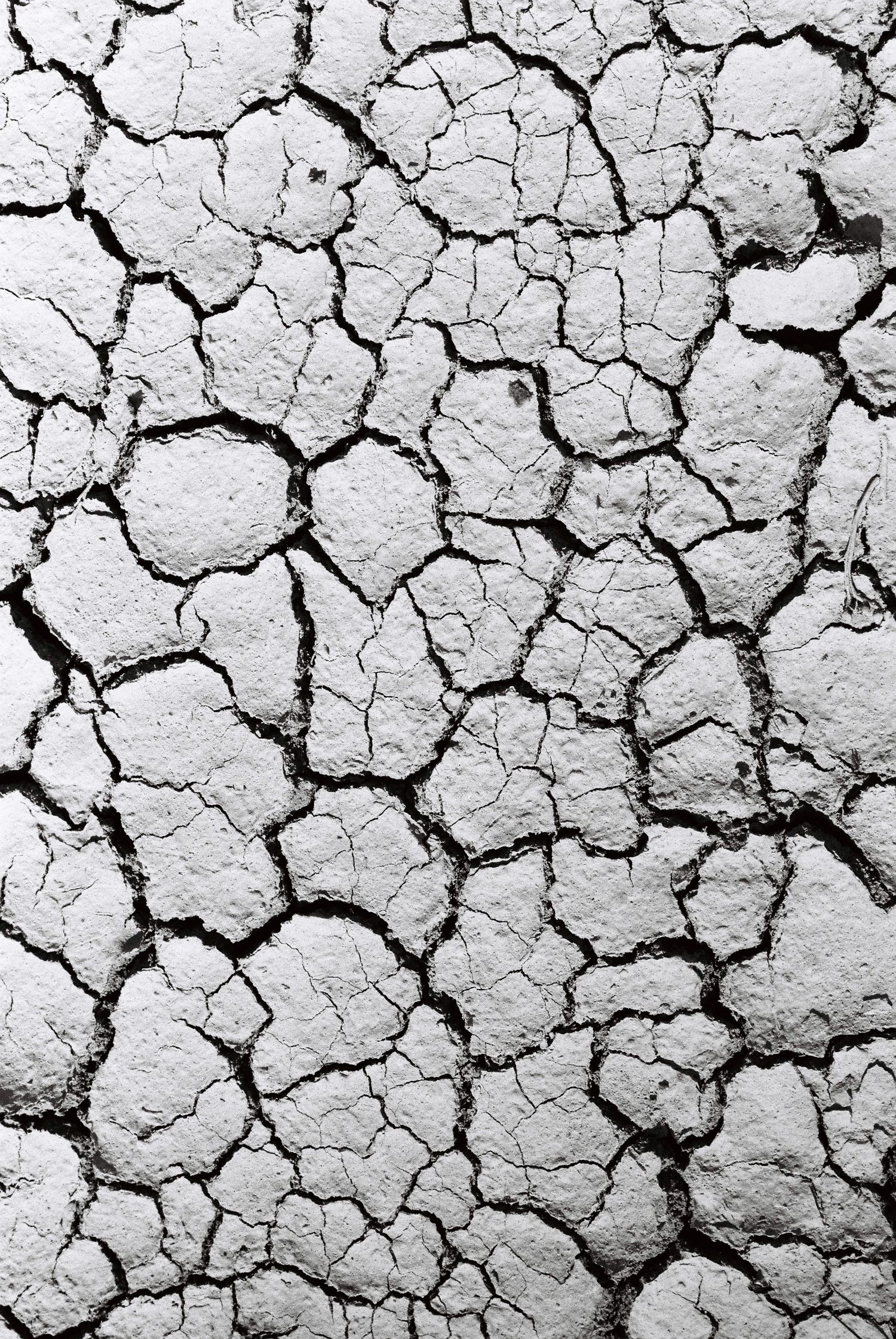
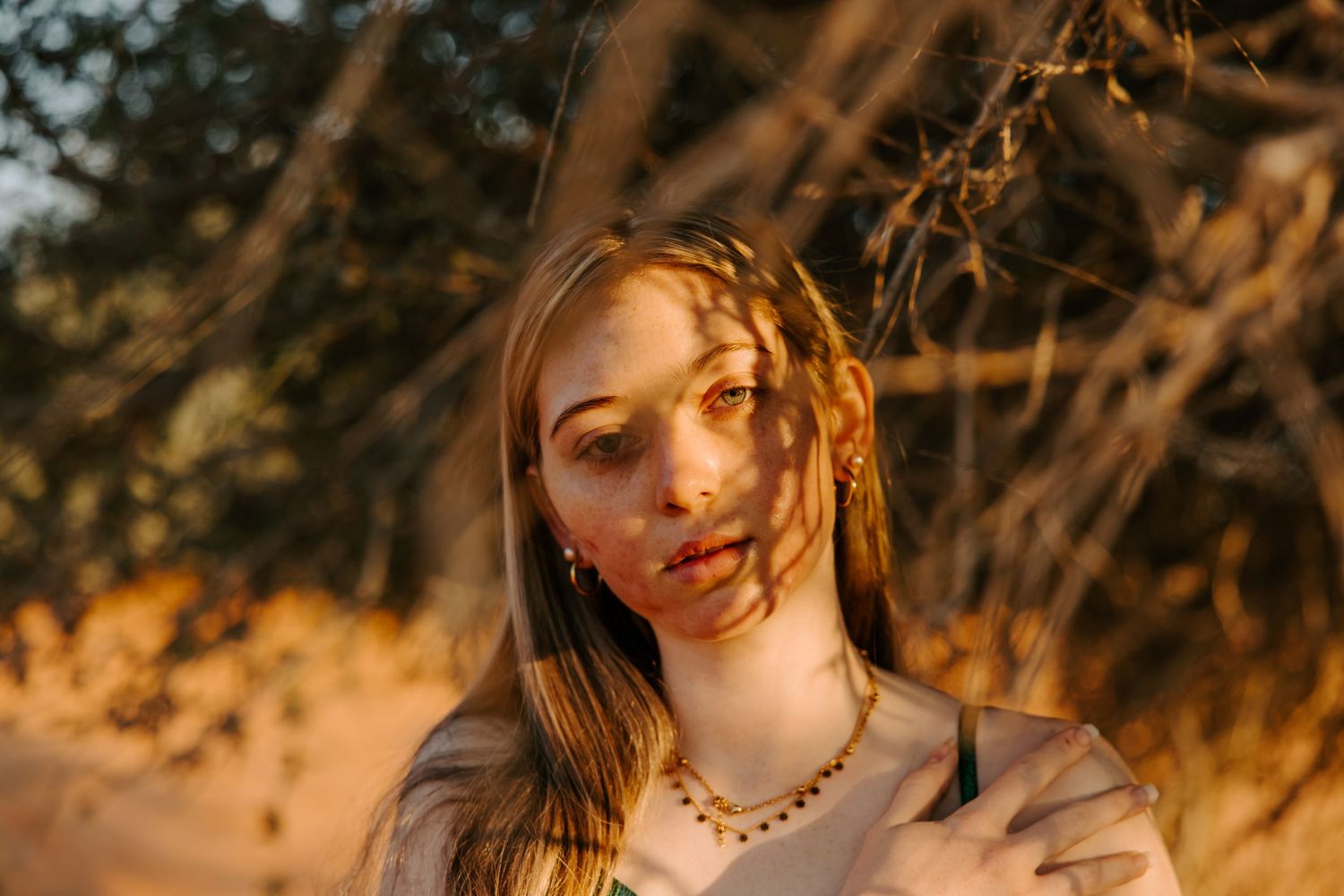
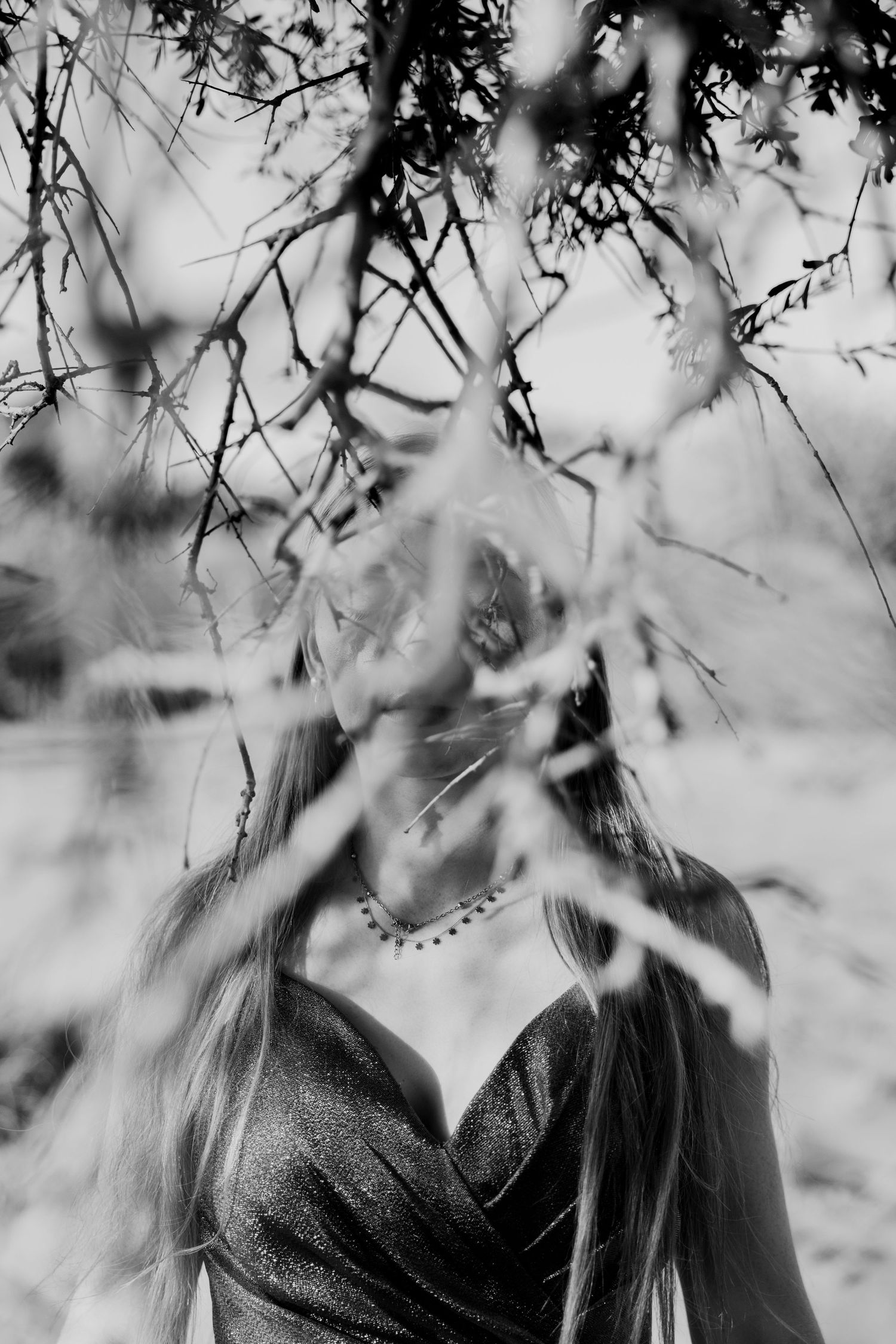
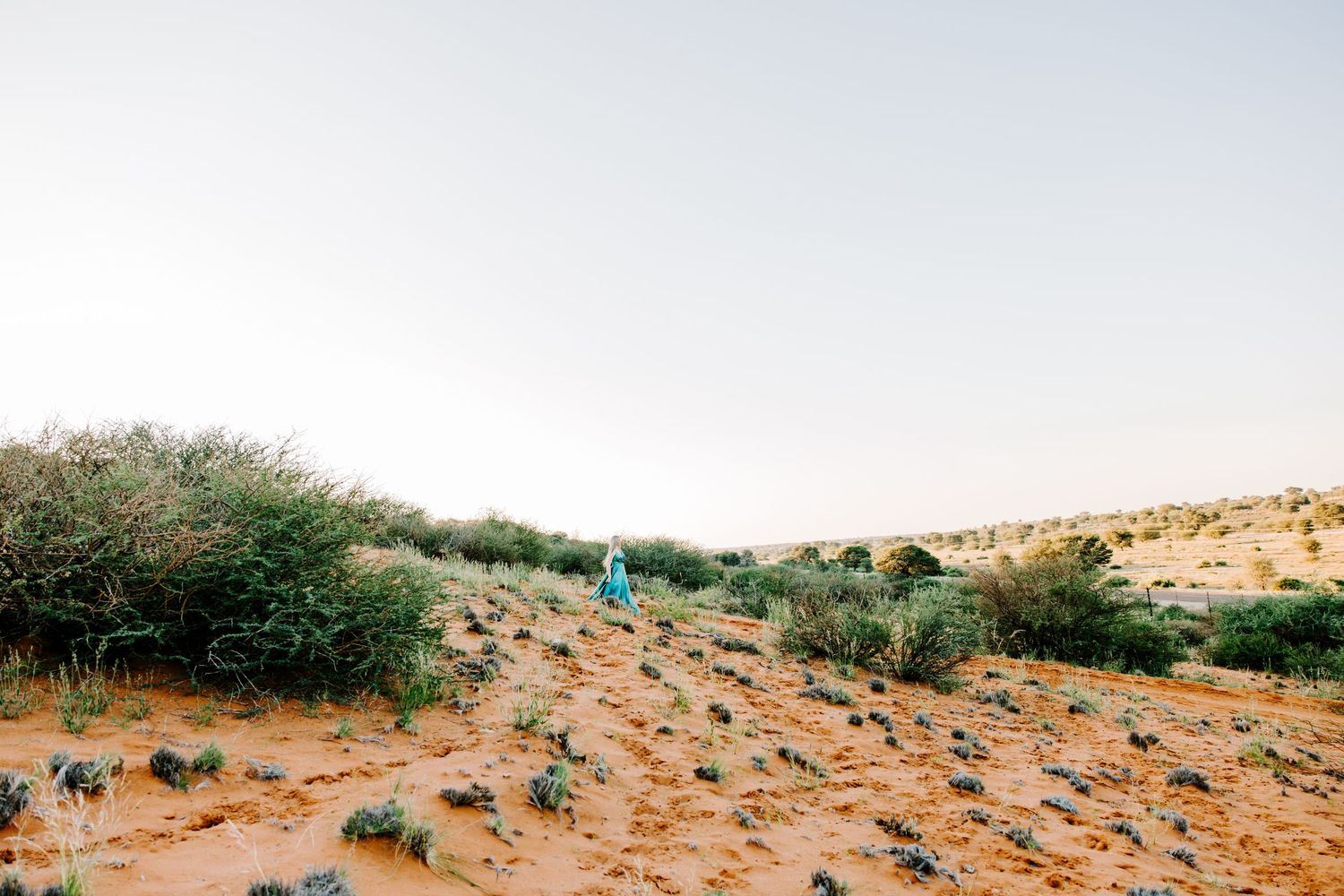
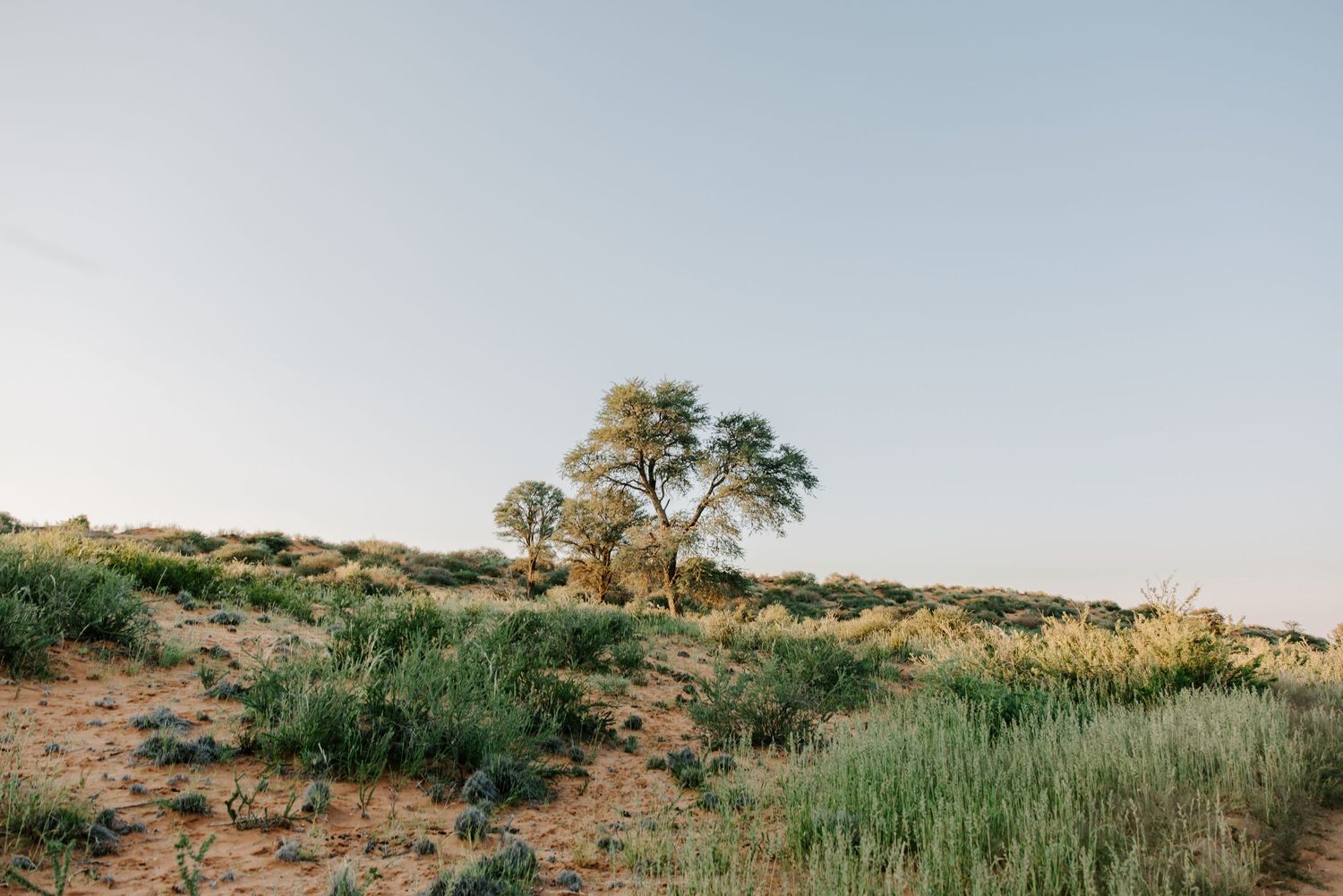
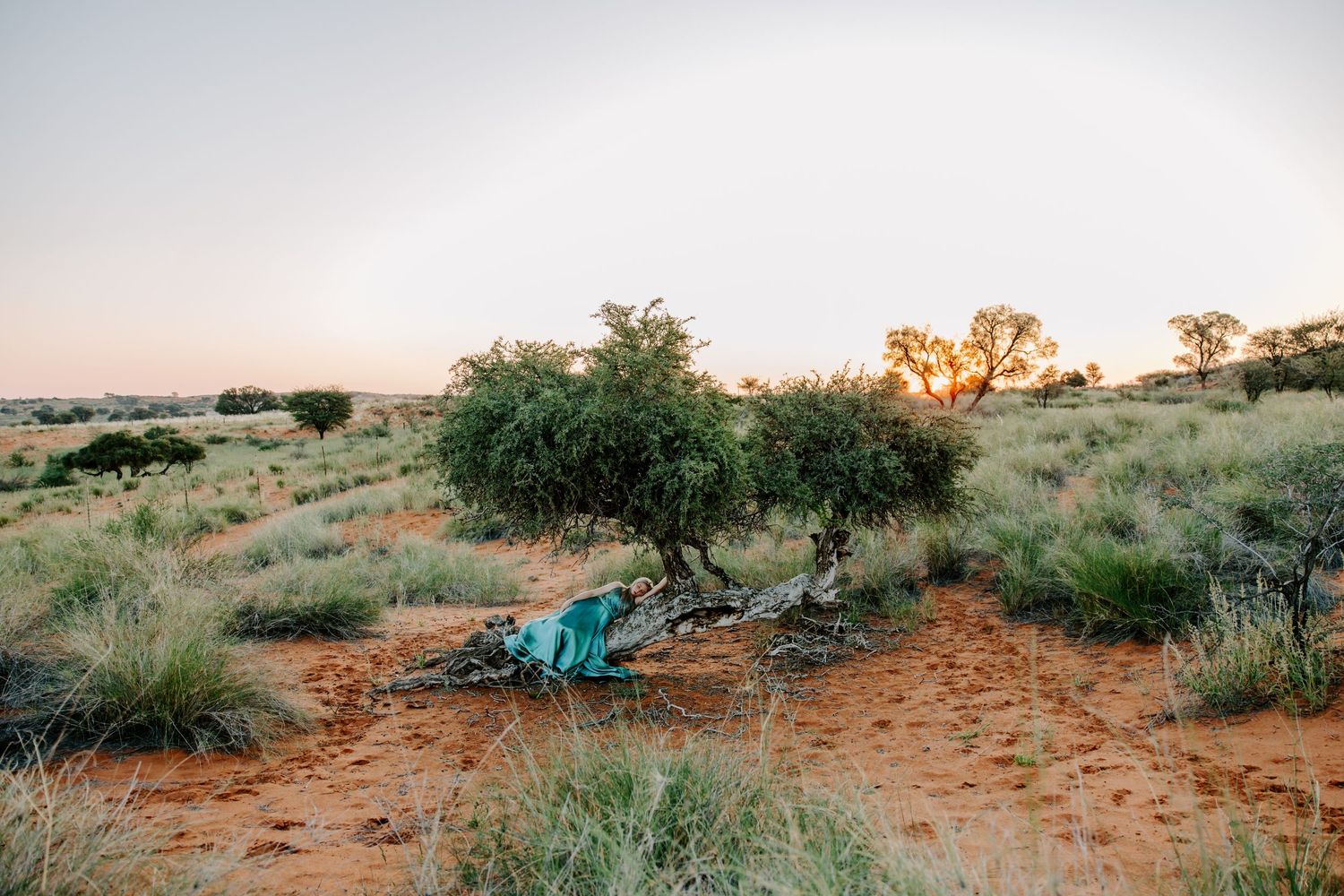
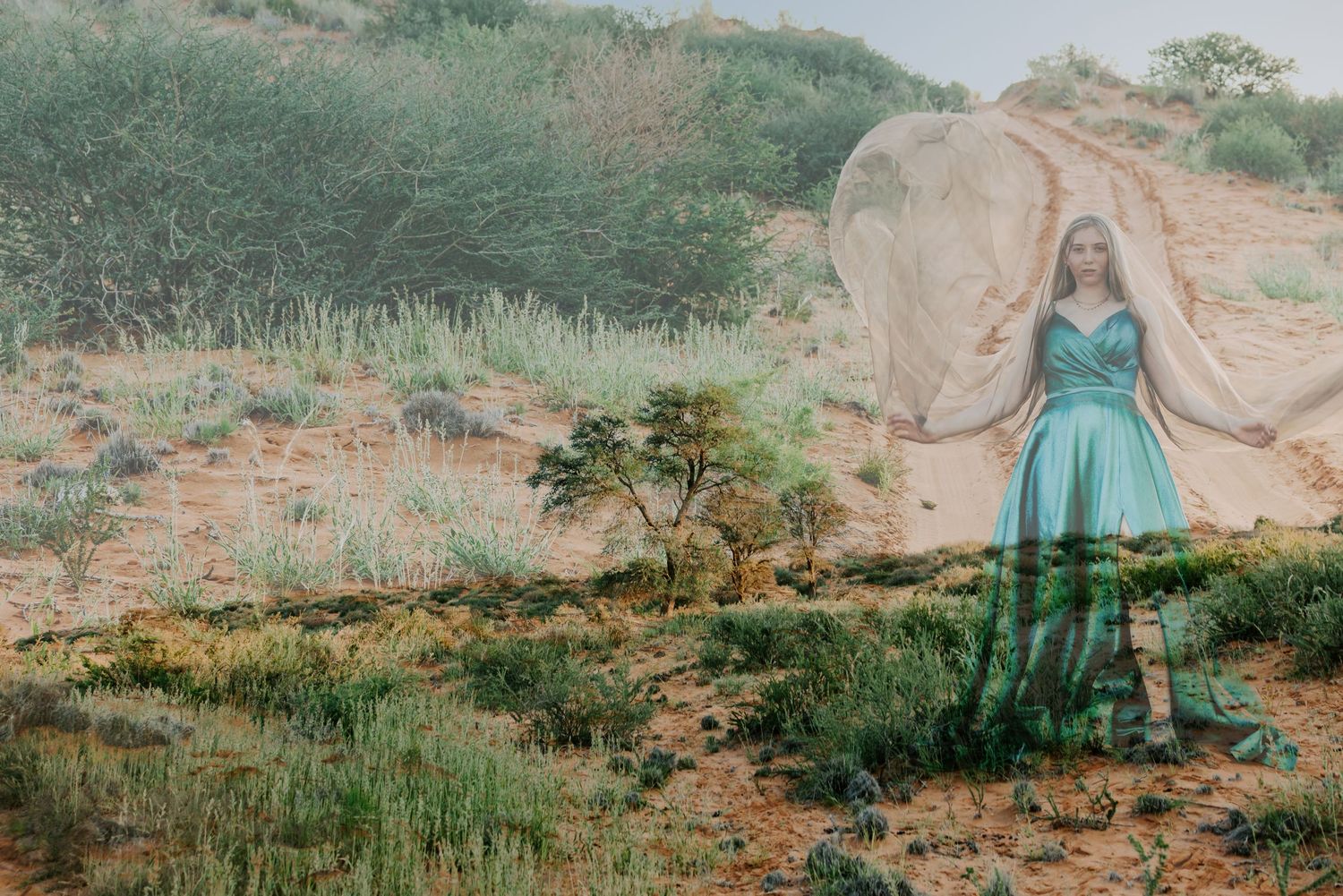
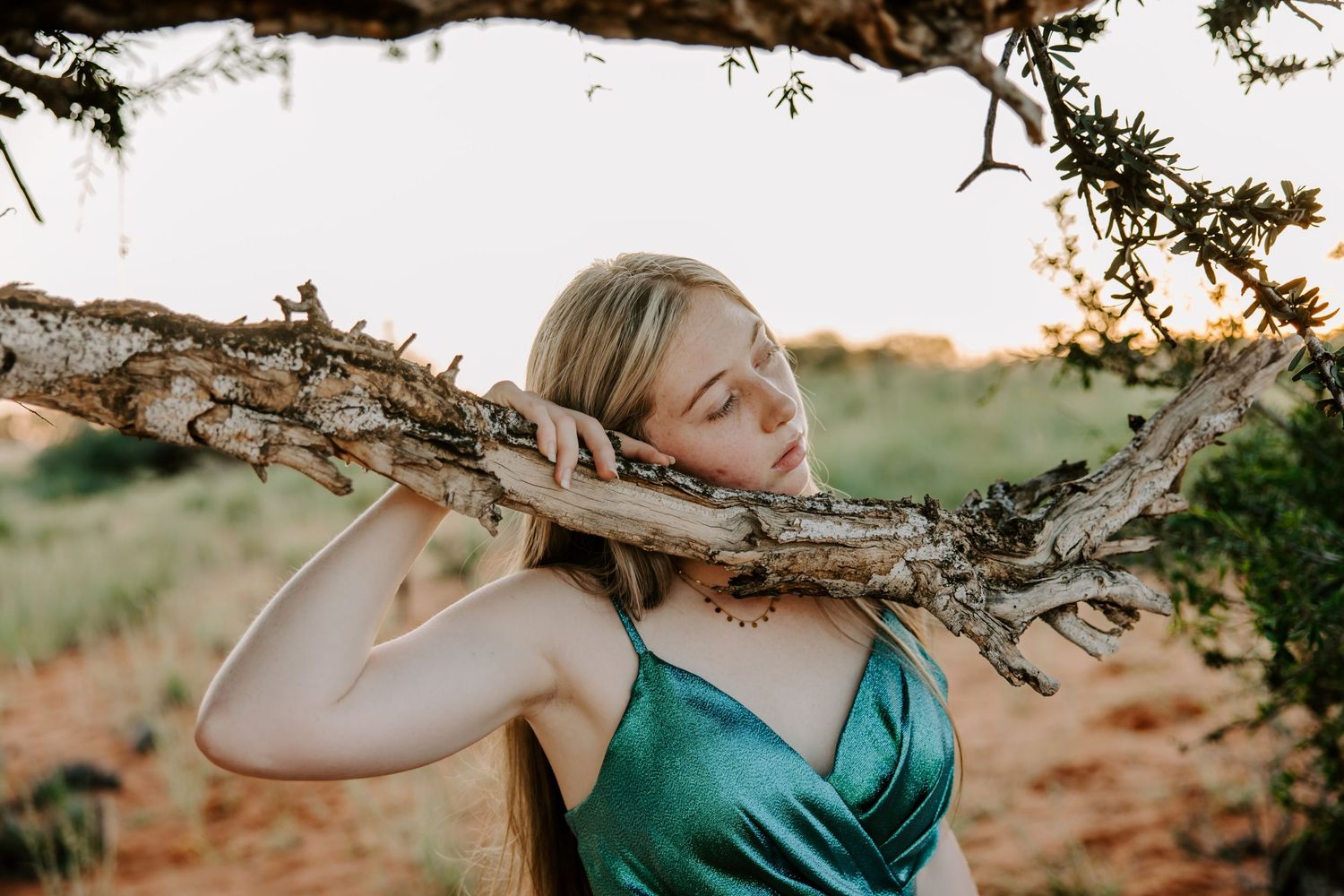
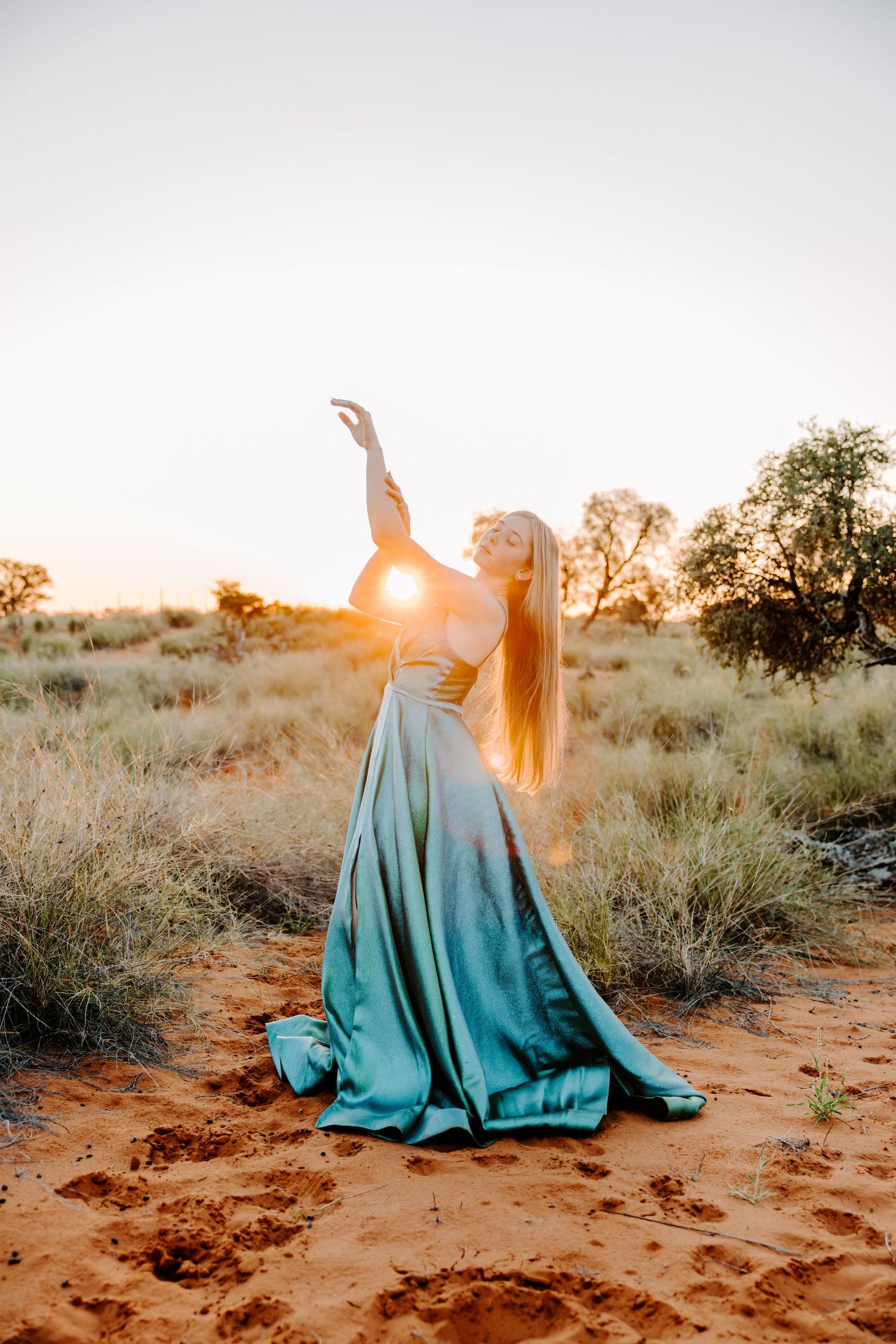
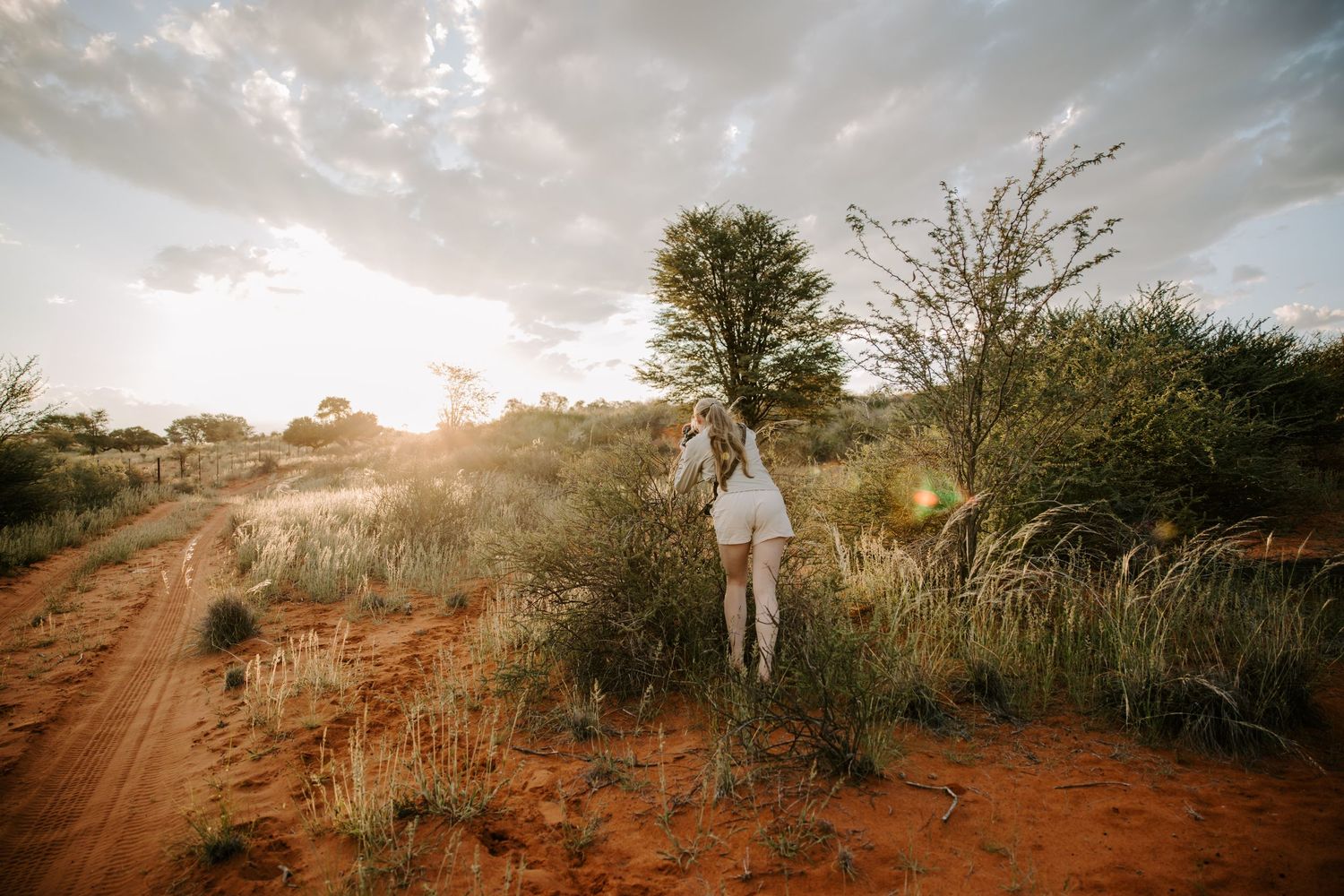
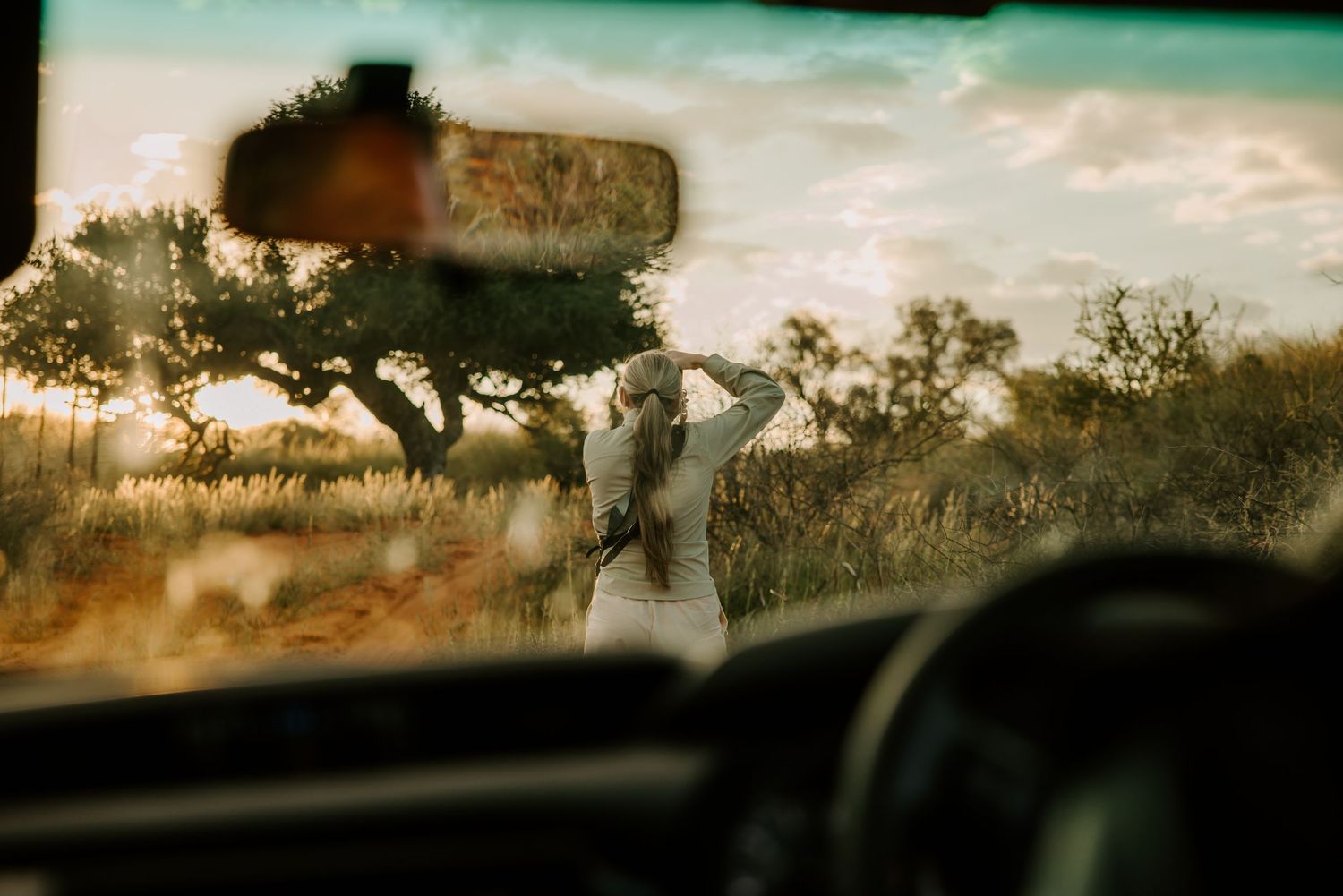
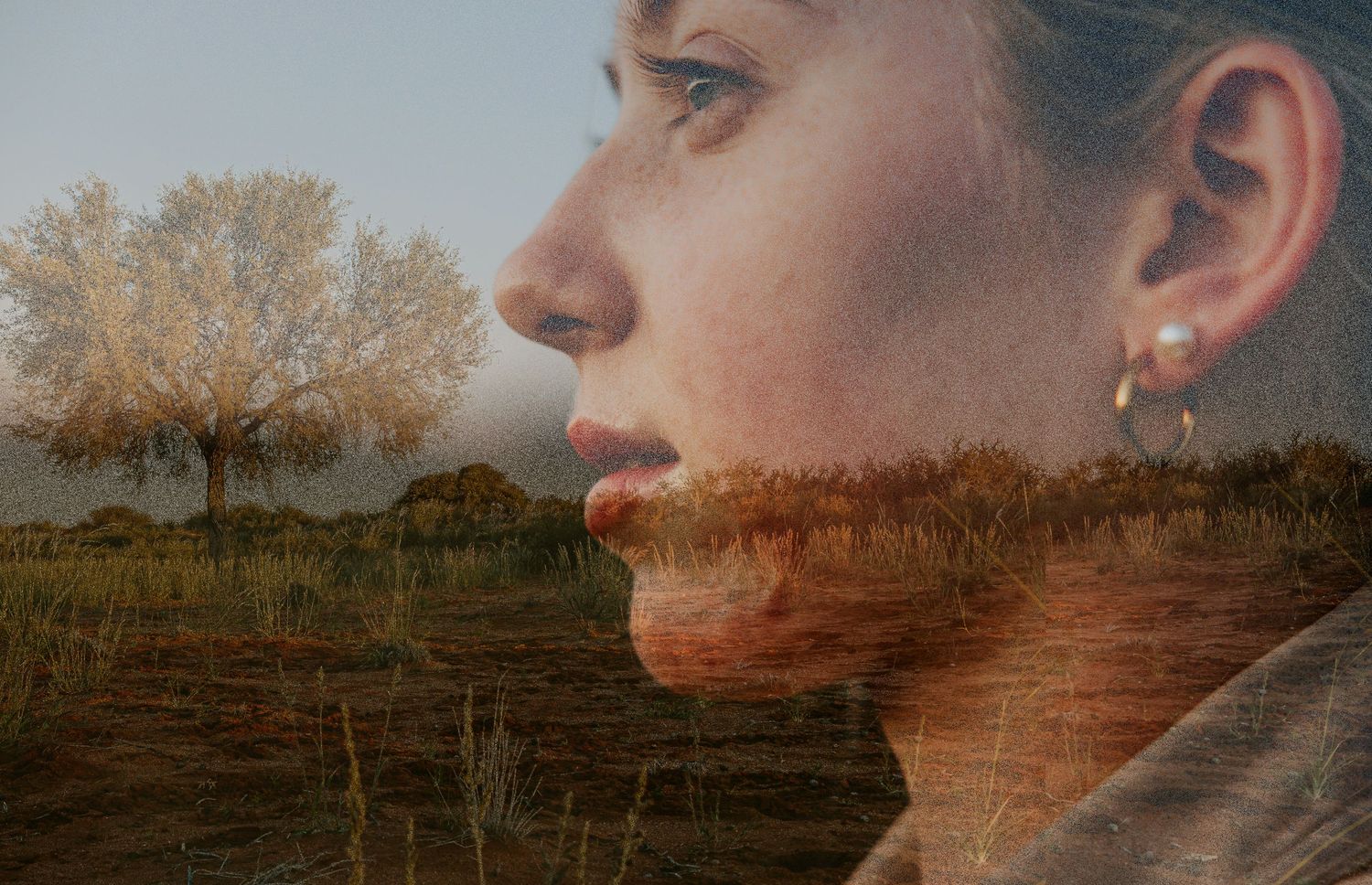
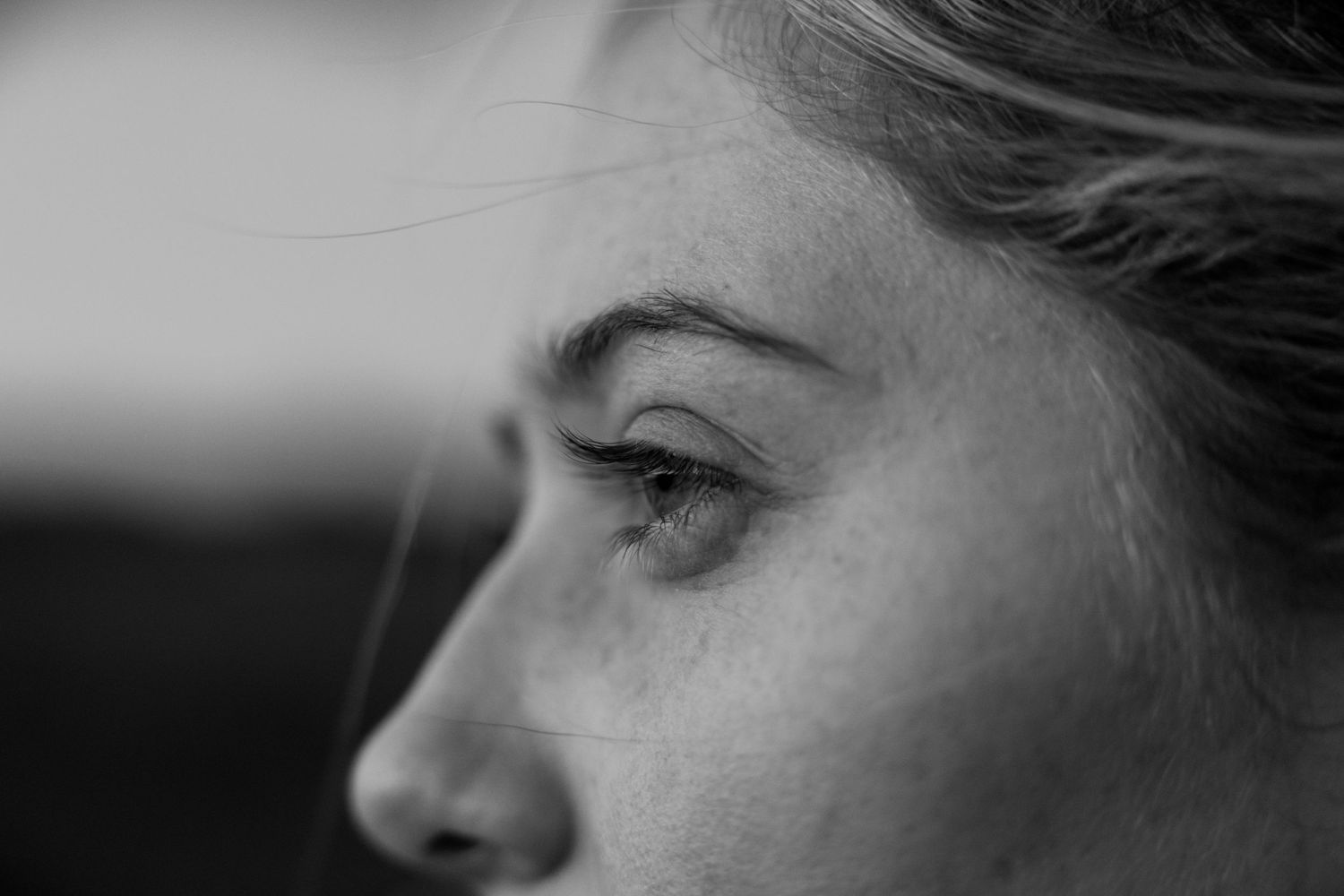
Almost a year later, in 2025, I returned. I found meaning not because things looked better on the surface, but because I had redefined what beauty and healing meant to me. The Kalahari has its own seasons, more drought than rain, just like me. Healing became tied to the landscape itself, to the stillness, the air, and the dryness of the desert, becoming part of how I remembered and felt my way through this season. The Kalahari became a living space that moved with me, shaping how I felt and who I was becoming. My body and the land seemed to understand one another, both marked, both scarred, both still beautiful. Photographing myself in the Kalahari became a way of reclaiming my body, not as something to be hidden or fixed, but as a space of worthiness, confidence, and self-compassion. It’s also the place where I’ve discovered the happiest, most alive version of myself. This is reflected in the book’s structure: one part is made up of editorial-style self-portraits and landscapes, while the other reveals a more personal side of me, simply being in the Kalahari, wearing my everyday clothes and doing the small things that make me feel at home. These images are not about performance, but presence. They remind me that beauty and identity are not only found in staged moments, but in ordinary, lived ones.